Maintaining a clean and well-organized workspace is essential for any business. Implementing a structured commercial cleaning routine ensures your facility remains hygienic, professional, and safe. A consistent schedule not only enhances the environment for employees and clients but also extends the lifespan of equipment, furniture, and flooring. This article outlines a detailed checklist for daily and weekly cleaning tasks, helping businesses stay on top of maintenance without overwhelming staff.
Commercial Cleaning: Daily Checklist
Daily cleaning forms the foundation of a successful maintenance plan. Addressing high-traffic areas and common spaces prevents dirt and clutter from accumulating.
Reception and Lobby Areas
The reception is the first impression visitors receive. Floors should be swept, mopped, and vacuumed as needed. Wipe down furniture, countertops, and electronics such as telephones and tablets. Empty trash bins regularly and spot-clean any fingerprints on glass doors and windows. Maintaining a neat lobby signals professionalism and care.
Office Spaces
Daily office maintenance focuses on workstations and shared spaces. Desktops should be cleared of unnecessary items and sanitized. Vacuum or mop floors to remove dust and debris. Shared equipment like printers, copiers, and telephones must be disinfected to reduce germs. Regular checks of commercial cleaning on chairs and office furnishings help prevent damage and maintain a tidy environment.
Restrooms
Restrooms require thorough daily cleaning to ensure hygiene standards. Disinfect toilets, sinks, and counters. Sweep and mop floors, and refill consumables like soap, paper towels, and toilet paper. Regular inspection prevents odors and ensures a comfortable and sanitary experience for employees and visitors.
Kitchen and Break Areas
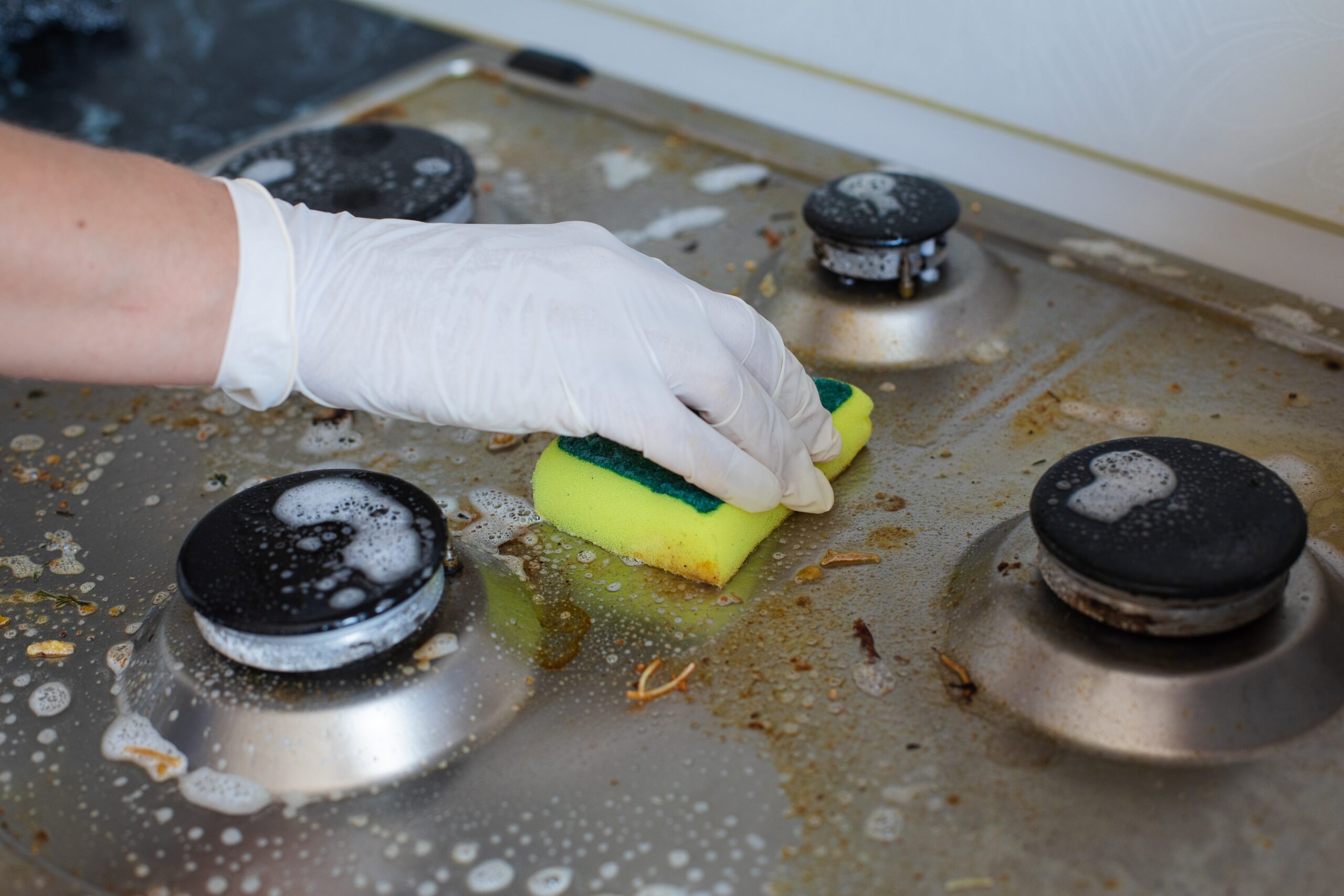
Break rooms need consistent attention to remain clean and safe. Wipe countertops, tables, and appliances daily. Empty trash bins and clean sinks. Address spills immediately to prevent stains and reduce slip hazards. A clean break area supports staff well-being and contributes to a professional workplace atmosphere.
Commercial Cleaning: Weekly Checklist

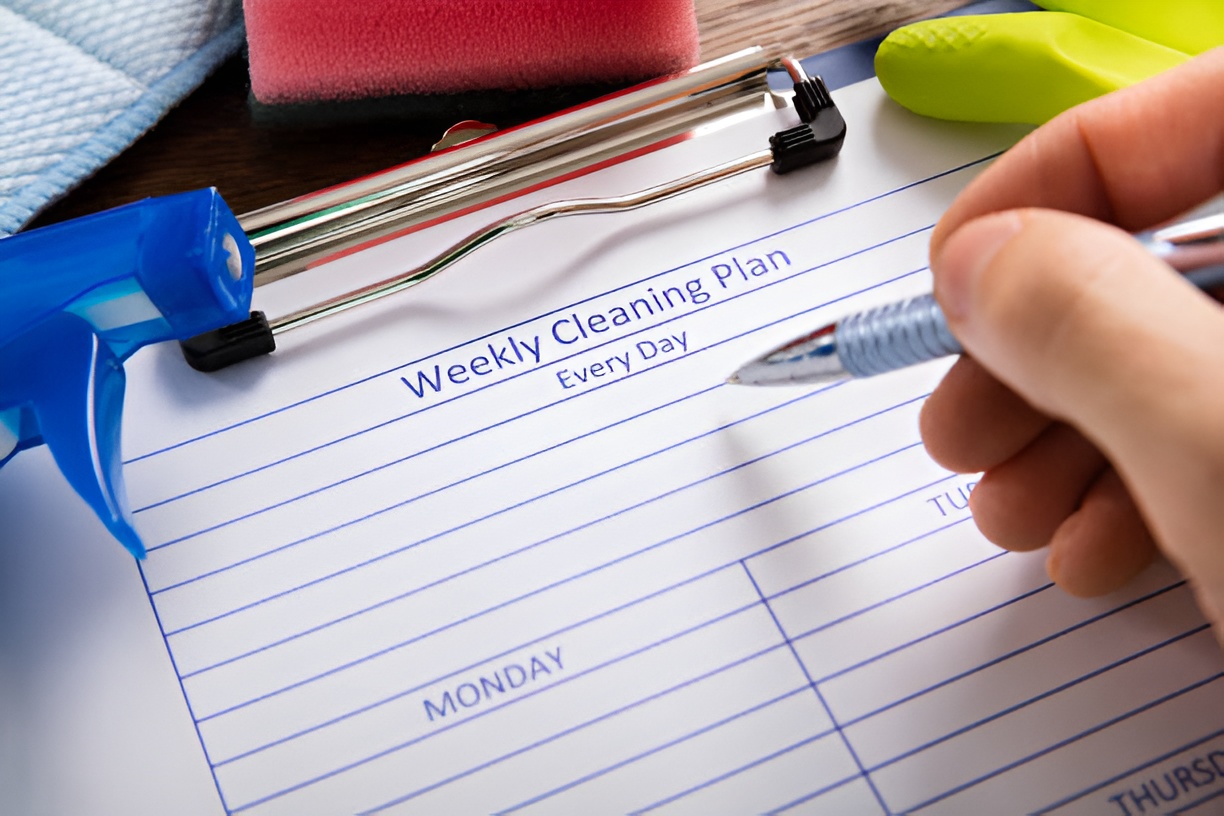
Weekly cleaning focuses on deeper maintenance tasks that daily routines may not fully cover. These tasks keep your facility in optimal condition over time.
Floors and Carpets
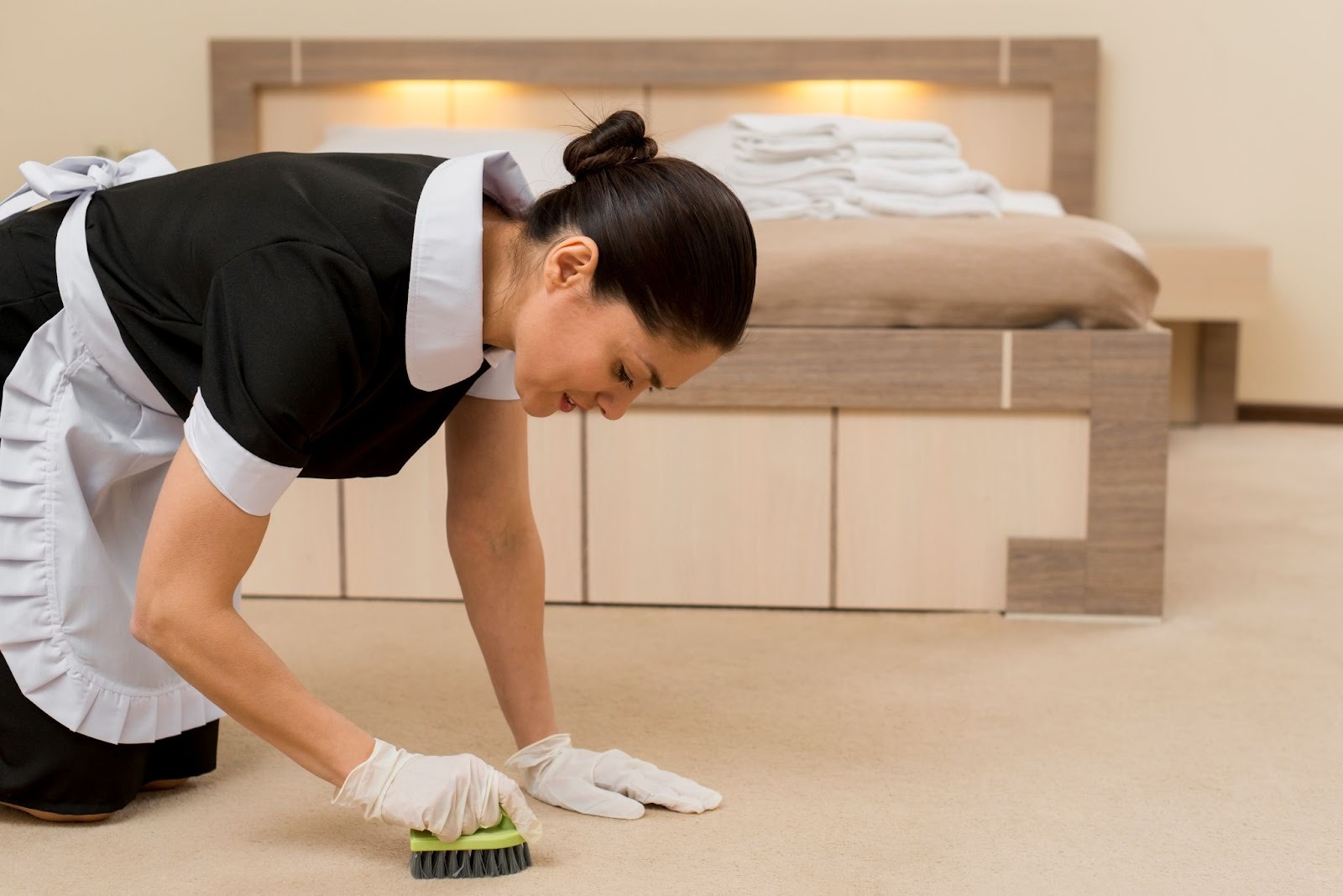
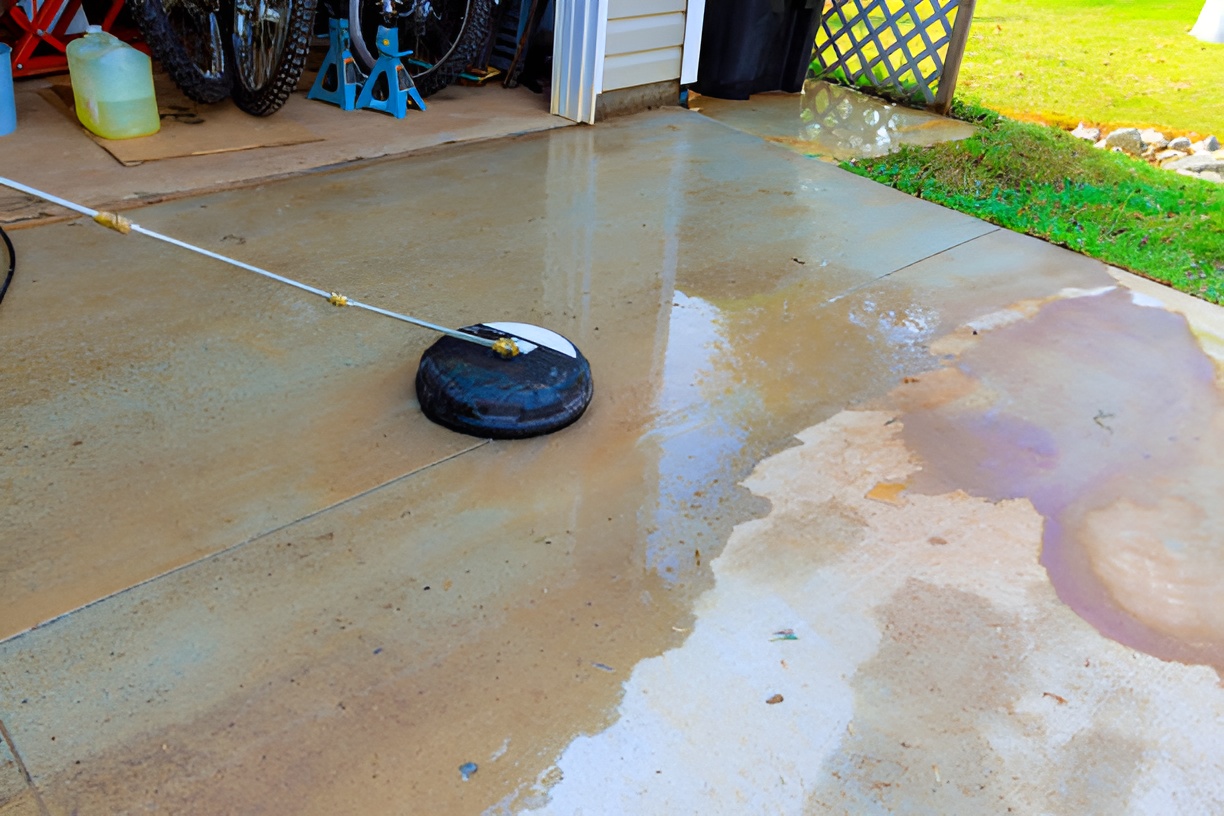
Weekly attention to floors involves deep vacuuming, mopping, and polishing where necessary. For carpets, consider steam cleaning or spot treatments to remove stubborn dirt. Regular floor care prevents buildup and preserves the quality of flooring materials, ensuring safety and aesthetics.
Furniture and Fixtures
Weekly cleaning includes dusting furniture and checking for wear or damage. Upholstery should be vacuumed and spot-cleaned, while wood surfaces may benefit from polishing. Light fixtures, vents, and blinds should also be dusted to maintain indoor air quality and cleanliness throughout the facility.
Windows and Glass Surfaces
Weekly polishing of windows, glass partitions, and mirrors ensures clarity and brightness. Interior and exterior cleaning of large glass surfaces improves natural light penetration and maintains a professional appearance. Regular care prevents smudges and keeps the building visually appealing.
Common Areas and Storage Spaces
Hallways, storage rooms, and conference areas benefit from weekly organization and cleaning. Floors should be vacuumed or mopped, and clutter removed. Shelves and storage units need dusting, and any minor repairs should be noted. This ensures a safe and organized environment for staff and visitors.
Equipment and Cleaning Supplies
Inspect cleaning tools and equipment weekly. Check vacuum cleaners, mops, and other tools to ensure they are in working order. Restock cleaning supplies to prevent shortages during daily operations. Proper maintenance of equipment makes commercial cleaning more efficient and effective.
Tips for Effective Commercial Cleaning
Successful commercial cleaning relies on planning, training, and consistency. Staff should understand procedures, schedules, and the importance of maintaining a clean facility. Using eco-friendly products helps protect the environment and ensures the safety of employees and visitors.
Regular inspection of cleaned areas ensures standards are maintained and allows for adjustments to the routine as needed. Combining daily and weekly maintenance creates a comprehensive commercial cleaning strategy that enhances workplace safety, hygiene, and overall appearance.
Conclusion
A comprehensive commercial cleaning checklist for daily and weekly maintenance is essential for a healthy, safe, and professional workplace. By implementing structured routines, focusing on high-priority areas, and using the right tools, businesses can maintain cleanliness, enhance employee satisfaction, and present a professional image. Following these guidelines ensures consistent results and a hygienic environment that supports productivity and well-being.