Introduction
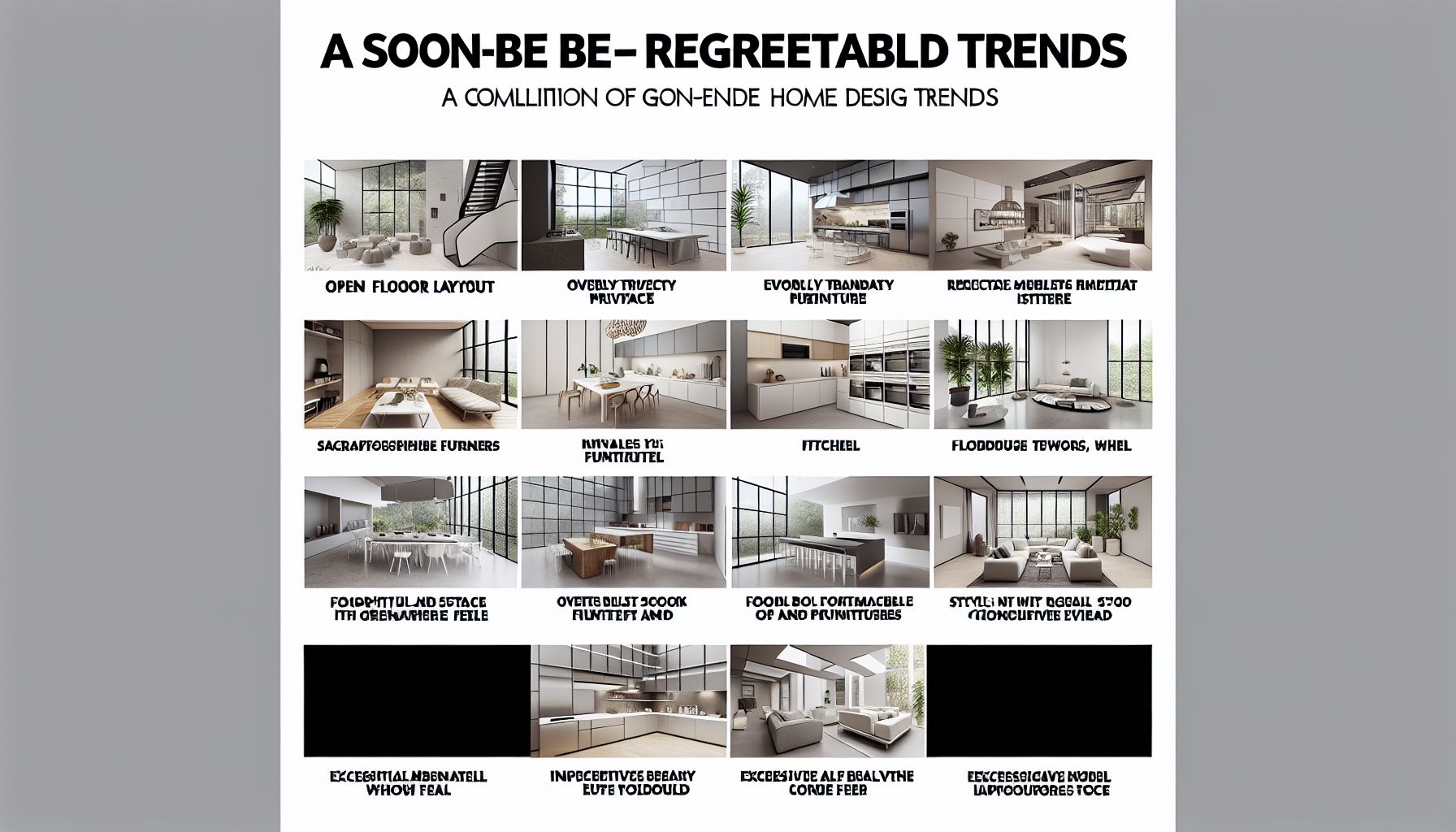
As the world of home design continues to evolve rapidly, it’s essential to stay updated with current trends. However, not all trends are timeless, and some may soon fall out of favor. In this article, we will explore modern home design trends that may lead to regret in the future.
Open Floor Plans
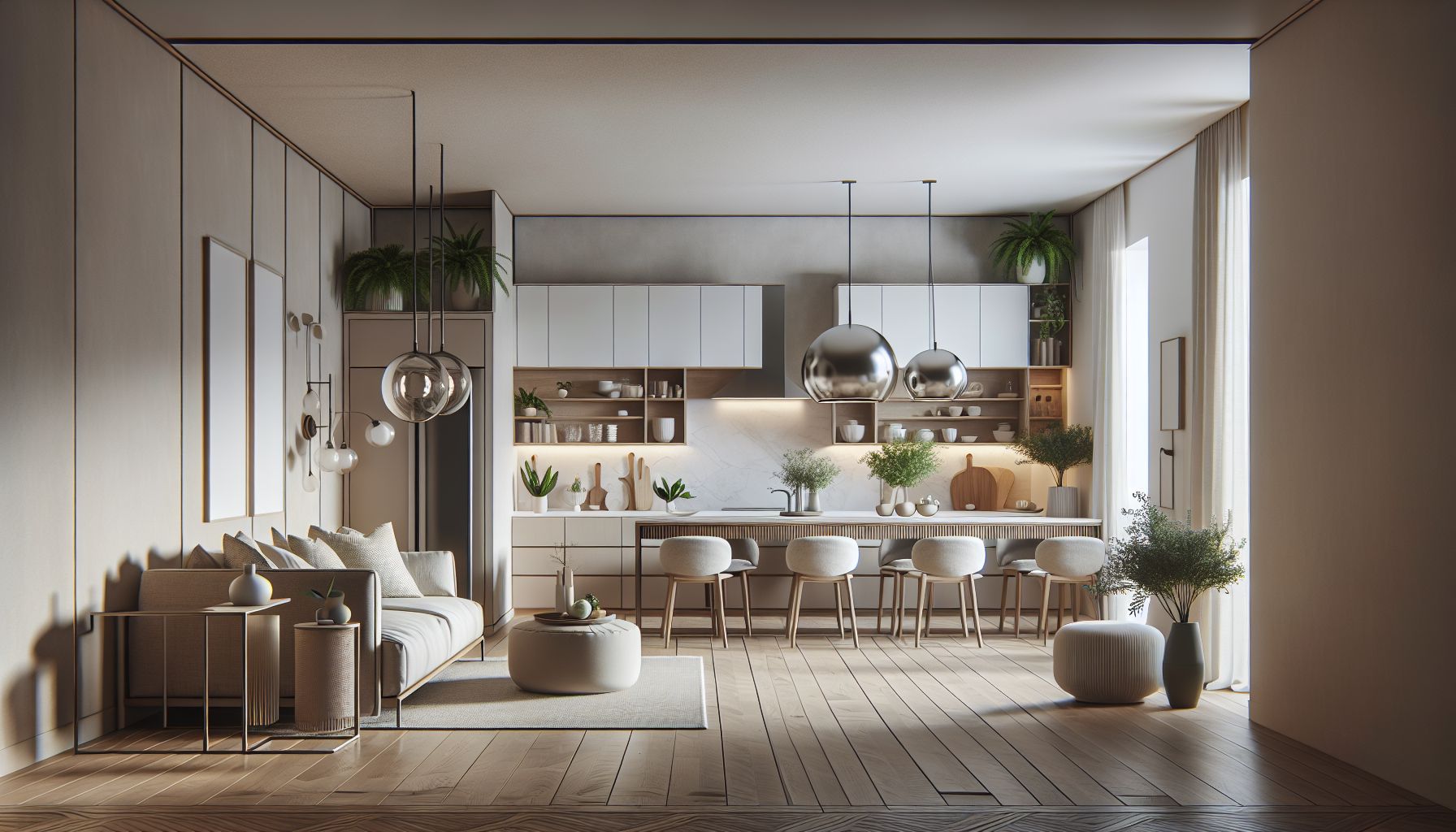
Open floor plans have been a popular choice in modern homes for years. They provide a sense of spaciousness and allow for better flow between living areas. However, as families spend more time at home, privacy has become a significant concern. Open floor plans offer limited privacy, making it challenging to create separate functional zones within a home. While visually appealing, open floor plans may not be practical for all homeowners in the long run.
Minimalist Aesthetics
Minimalism has been a dominant trend in home design, focusing on clean lines, neutral colors, and clutter-free spaces. While a minimalist aesthetic can create a sense of calm and simplicity, it may also feel stark and impersonal. Many homeowners are starting to crave warmth and personality in their living spaces, which may lead to a swift departure from the minimalist trend.
Industrial Elements
Industrial design elements such as exposed brick, concrete floors, and metal fixtures have been popular in modern homes. While these features add a unique edge to interiors, they may also feel cold and unwelcoming. The industrial trend can easily become outdated, leaving homeowners with spaces that feel too harsh and unfinished.
All-White Interiors
White interiors have been a go-to choice for creating a bright and airy space. While white can make a room feel larger and more open, it can also be challenging to maintain, showing every speck of dirt and requiring frequent cleaning. Additionally, all-white interiors can feel sterile and lacking in depth. Homeowners may regret opting for this trend as they seek to add more warmth and character to their living spaces.
High-Tech Features
Incorporating high-tech features like smart home systems, automated lighting, and voice-controlled appliances has been a rising trend in modern homes. While technology can enhance convenience and efficiency, it can also quickly become outdated. Homeowners may find themselves regretting investing in expensive tech upgrades that lose their relevance within a few years.
Biophilic Design
Biophilic design, which emphasizes the connection between humans and nature, has gained popularity in recent years. Incorporating natural elements like plants, natural light, and organic materials can improve well-being and create a calming environment. However, overly literal interpretations of biophilic design can feel cliched and forced. Homeowners may regret going overboard with nature-inspired elements that may lose their appeal over time.
Conclusion
While staying on top of modern home design trends is essential, it’s crucial to balance aesthetic appeal with functionality and longevity. Trends come and go, and what may be popular today could quickly become dated tomorrow. By carefully considering the pros and cons of current design trends, homeowners can create spaces that reflect their personal style while standing the test of time.