In the realm of interior design, lighting plays a crucial role in setting the ambiance, highlighting key features, and creating a welcoming atmosphere. While designers often have a few go-to lighting tricks up their sleeves, there are some lesser-known techniques that can truly elevate a space and make it shine. Whether you’re looking to brighten up a room or add a touch of drama, these lighting tricks can help you achieve the desired effect without breaking the bank.
1. Layered Lighting
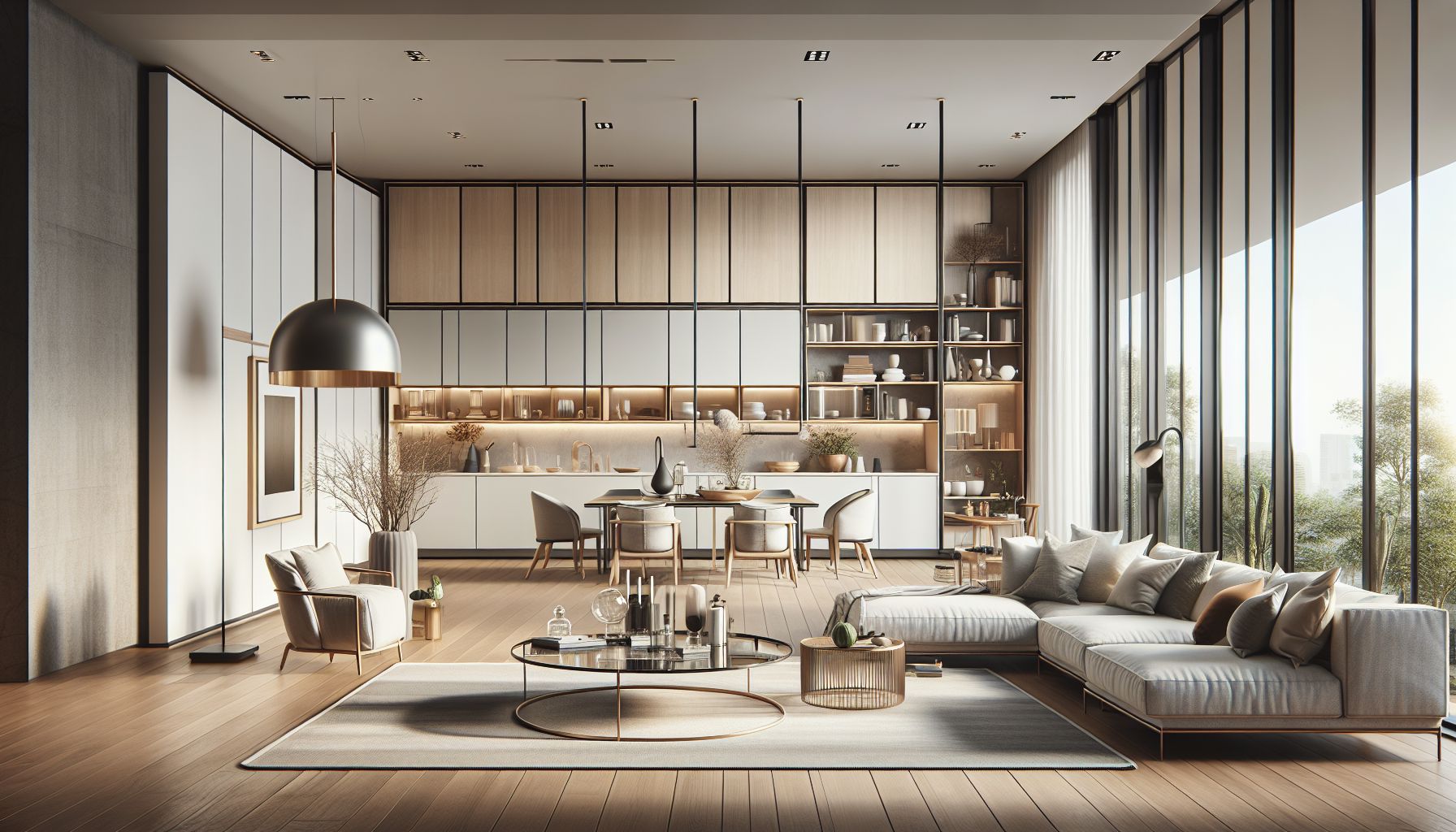
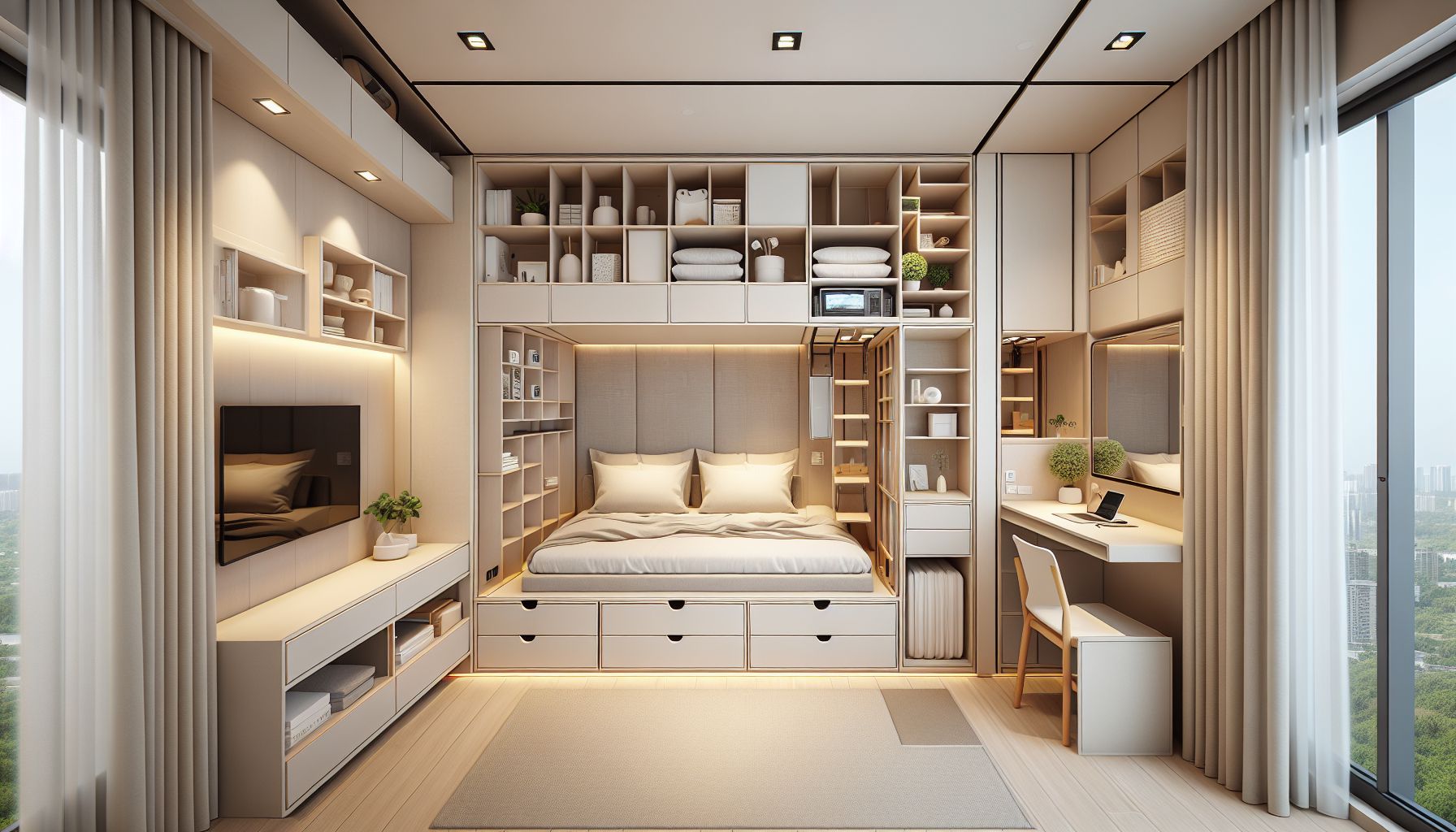
One of the most effective lighting tricks that designers don’t always share is the concept of layered lighting. Instead of relying on a single overhead fixture, consider incorporating multiple light sources at different heights and levels in a room. This technique allows you to create depth, dimension, and ambiance, making the space feel more dynamic and inviting.
For example, you can combine overhead fixtures with wall sconces, floor lamps, and table lamps to provide a variety of lighting options for different activities and moods. By layering light, you can illuminate specific areas or objects while also adding warmth and texture to the overall space.
2. Use Dimmer Switches
Dimmer switches are another lighting trick that can make a big difference in how a room looks and feels. By installing dimmer switches on your light fixtures, you can easily adjust the brightness level to suit your needs and create the desired ambiance.
For instance, you can dim the lights for a cozy movie night or brighten them up for a lively dinner party. Dimmer switches give you the flexibility to control the mood and atmosphere of a room with just a simple adjustment, allowing you to customize the lighting to your liking.
3. Highlight Accents
When it comes to lighting, designers often focus on illuminating the main areas of a room, such as seating areas or dining tables. However, highlighting accents like artwork, sculptures, or architectural details can add an extra layer of sophistication and visual interest to a space.
To draw attention to these features, consider using adjustable track lighting, picture lights, or uplighting fixtures. By strategically placing lights to shine on specific elements, you can create focal points and add depth to the room. This technique not only enhances the overall design but also showcases your unique style and personality.
4. Play with Color Temperature
Another lighting trick that designers don’t always reveal is the importance of playing with color temperature. The color of light can have a significant impact on the look and feel of a room, so it’s essential to choose the right color temperature for different areas and purposes.
In general, warm white light (around 2700-3000 Kelvin) is ideal for creating a cozy and intimate atmosphere, perfect for bedrooms or living rooms. On the other hand, cool white light (around 3500-4100 Kelvin) is better suited for task-oriented spaces like kitchens or home offices, where clarity and brightness are essential.
By mixing and matching lights with different color temperatures, you can create a layered and versatile lighting scheme that caters to various activities and moods throughout the day.
5. Utilize Mirrors
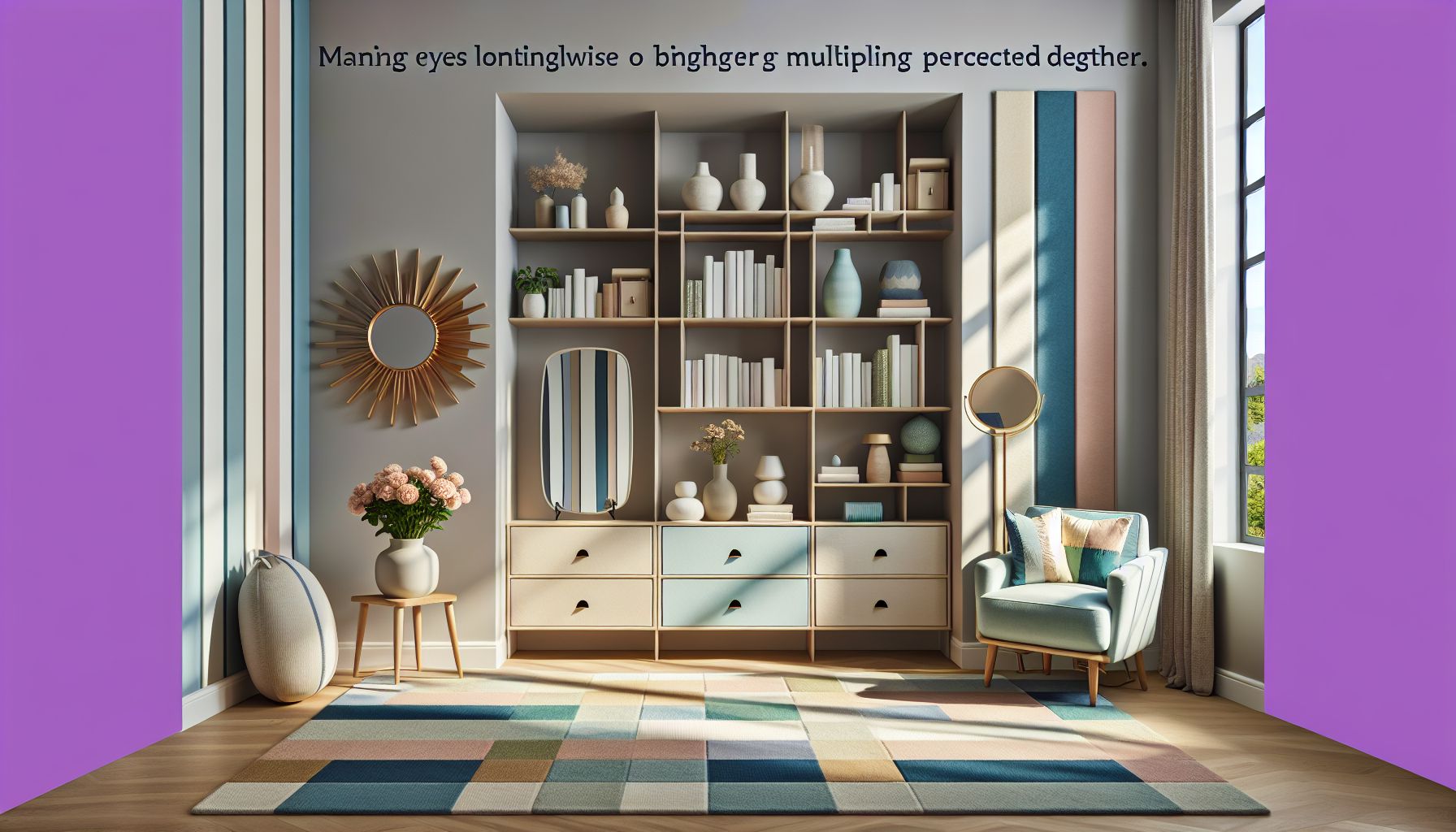
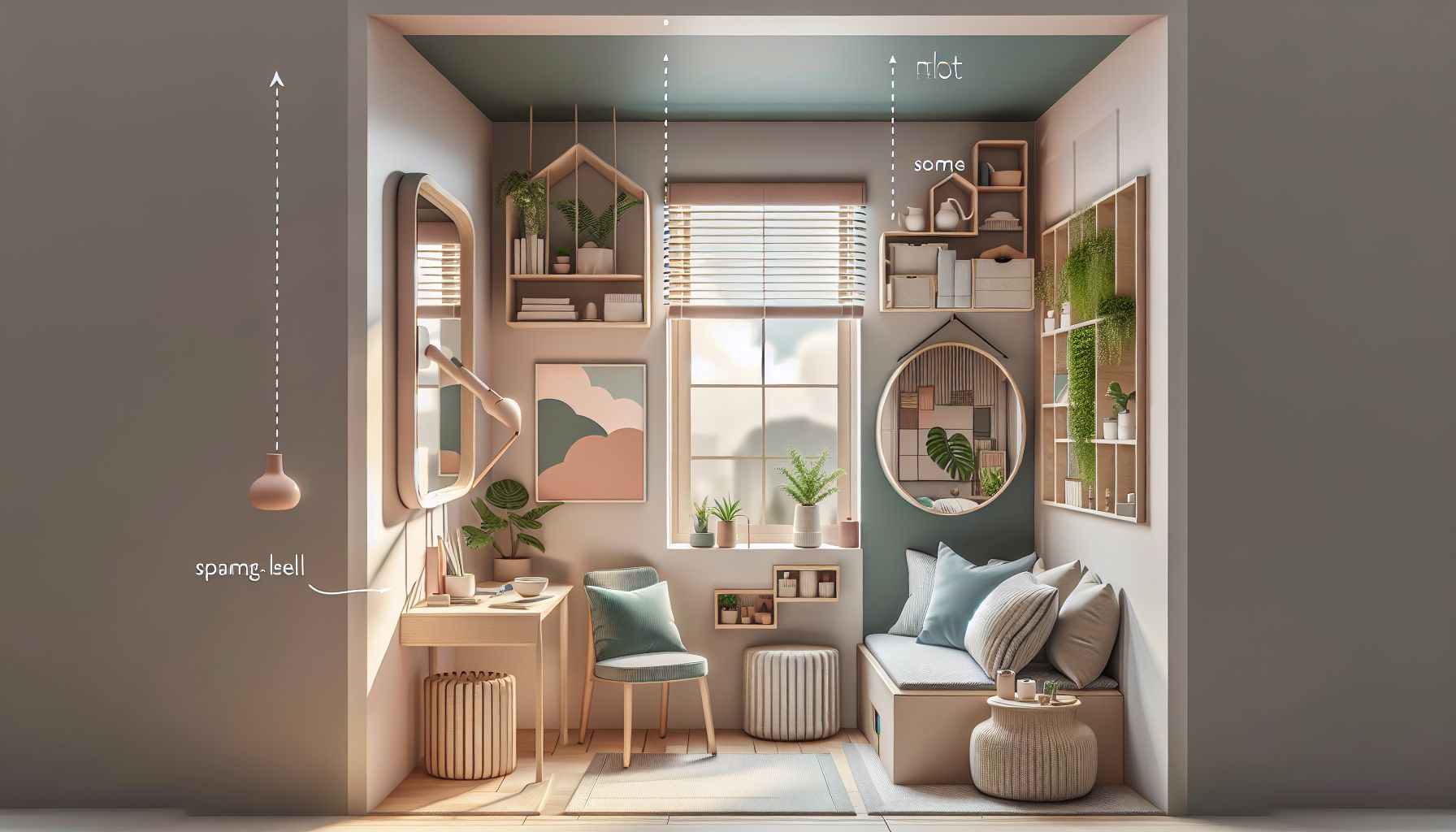
Mirrors are not just for checking your reflection; they can also be used to enhance the lighting in a room. Placing mirrors strategically across from windows or light sources can help reflect natural light and brighten up the space.
Additionally, you can install sconces or wall lights on either side of a mirror to create a flattering and well-balanced lighting effect. Mirrors not only amplify the light in a room but also create the illusion of more space, making it feel larger and airier.
By incorporating these lighting tricks into your design repertoire, you can transform any space into a well-lit and visually stunning environment. Whether you’re looking to create a cozy nook for reading or a vibrant setting for entertaining, these techniques will help you achieve the perfect lighting balance for your home.