
A clear, streak-free TV screen makes all the difference when it comes to enjoying your favorite movies, shows, or games. But many people don’t realize that cleaning your TV screen the wrong way can damage it permanently. Modern TVs, whether LED, OLED, LCD, or Plasma, have delicate coatings that protect the display and improve picture quality. Using the wrong products or methods can scratch the surface, strip away protective layers, or even cause the screen to stop working.
In this guide, we’ll talk about what not to use when cleaning your TV screen, why these items are harmful, and the safest way to keep your screen looking like new.
Why You Need to Be Careful When Cleaning Your TV Screen
Unlike the old glass screens of CRT televisions, today’s flat-screen TVs have sensitive materials on their display. They’re lightweight, slim, and deliver amazing picture quality, but they’re not as tough. Many cleaning products that seem harmless can leave scratches, streaks, or chemical damage.
Being careful when cleaning your TV screen is not just about making it look better; it’s about protecting your investment. A new TV can cost hundreds or even thousands of dollars, and repairs for screen damage are usually expensive, if not impossible.
Common Items You Should Never Use on a TV Screen
Here’s what you should avoid:
1. Window or Glass Cleaner
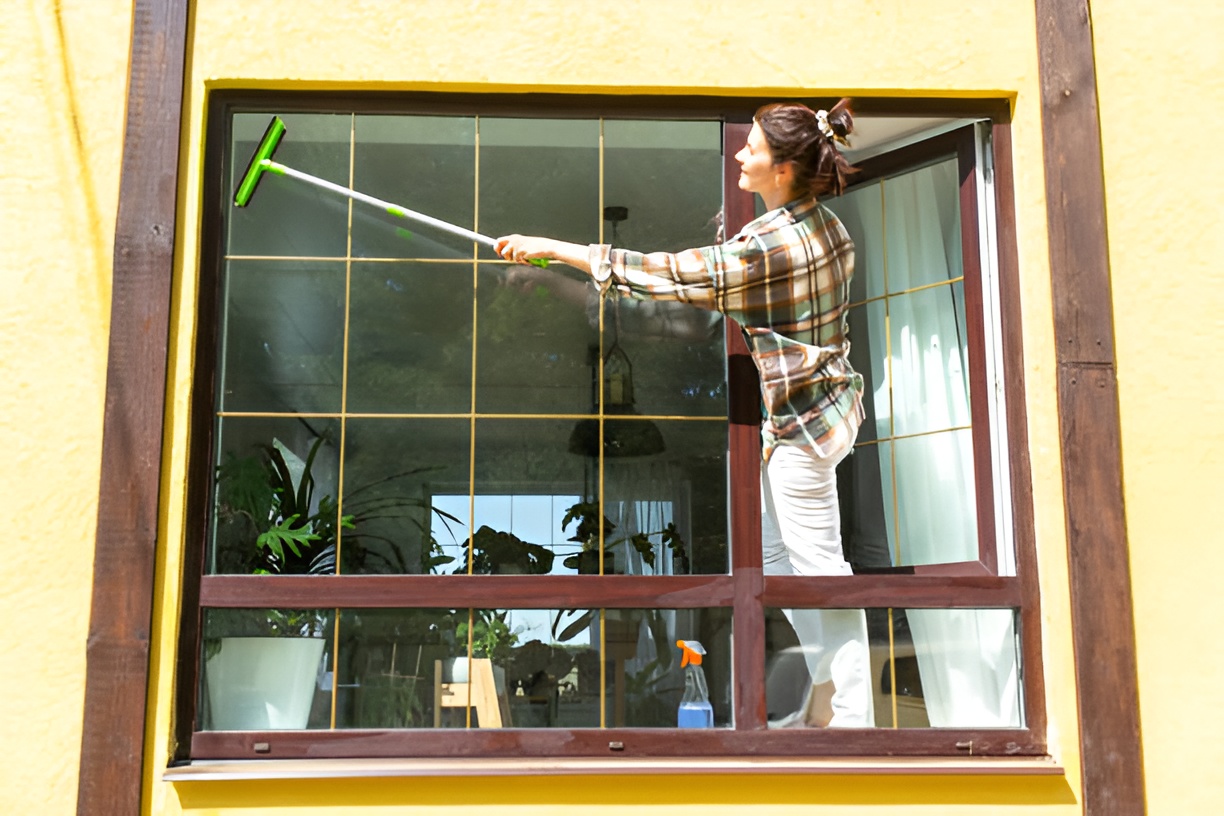
It may be tempting to grab the same spray you use on your windows, but glass cleaners are one of the worst things you can use. Products with ammonia, alcohol, or strong chemicals can strip away anti-glare coatings and leave the screen cloudy or streaky.
2. Paper Towels or Tissue Paper
Paper towels may feel soft in your hands, but on a microscopic level, they’re rough. They can scratch your TV’s surface, leaving behind tiny marks you might not notice immediately but will build up over time.
3. Kitchen Sponges or Scrubbing Pads
Never use abrasive sponges, even the “soft” side. They’re meant for tough surfaces like dishes or countertops, not delicate electronics. Scrubbing pads can create deep scratches that ruin your viewing experience.
4. Spray Bottles Directly on the Screen
Spraying liquid directly onto your TV is dangerous. The liquid can drip into the edges of the screen, damaging internal components. If moisture gets inside, it could short-circuit your TV, leading to costly repairs or total failure.
5. Harsh Chemical Wipes
Disinfectant wipes, wet wipes, or any pre-moistened cloths with chemicals should not be used when cleaning your TV screen. They’re too strong and often leave behind streaks or residue.
6. Regular Tap Water
Plain tap water might sound harmless, but it often contains minerals that can leave streaks or spots when they dry. Worse, if water seeps into the screen’s edges, it could damage sensitive circuits.
Safe Alternatives for Cleaning Your TV Screen
Now that you know what not to use, here’s what you should use instead.
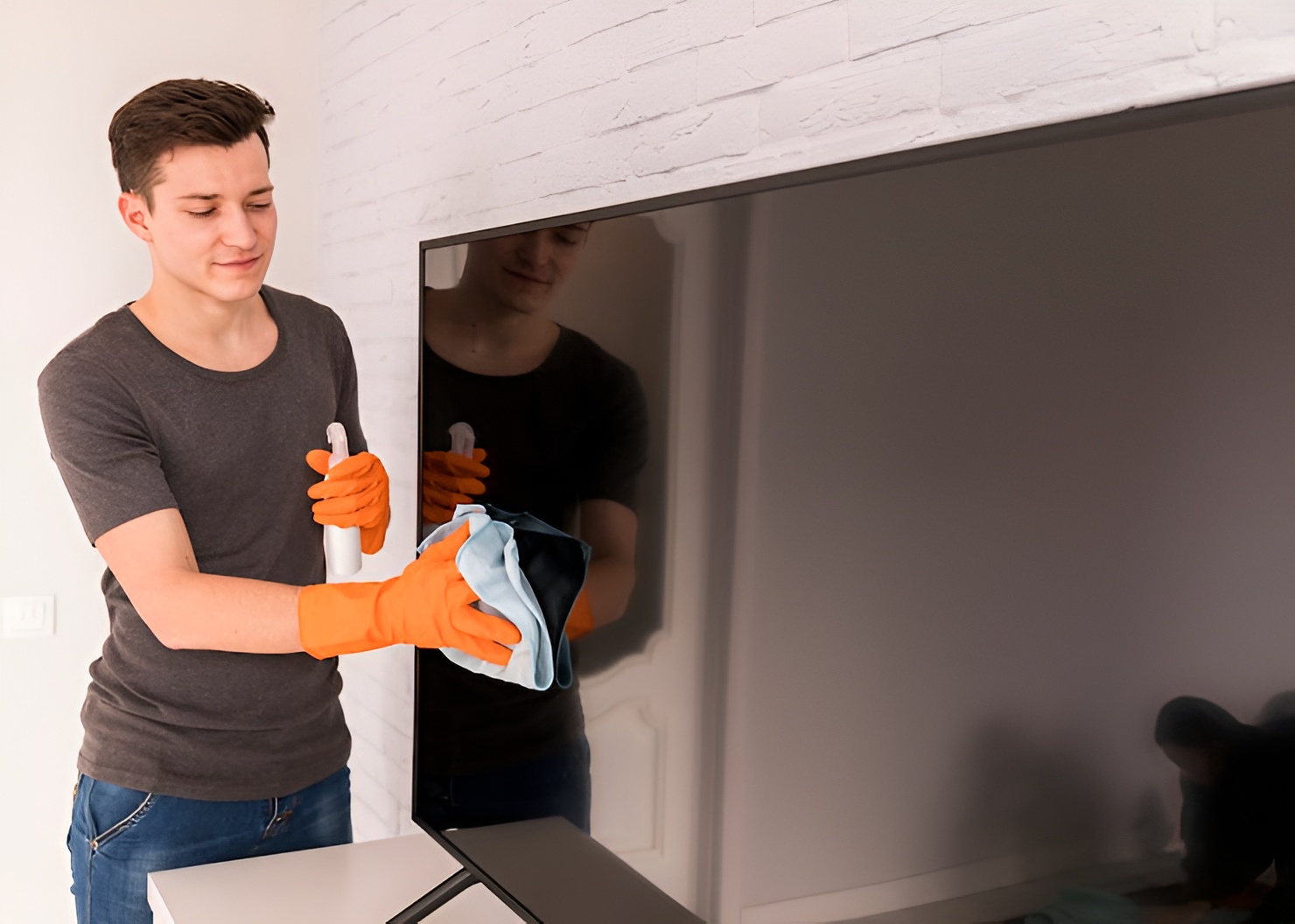
- Microfiber cloths – These are soft, lint-free, and designed for delicate surfaces. They’re the best choice for wiping dust and fingerprints off without scratching.
- Distilled water – If you need moisture, use distilled water. It’s pure and doesn’t leave behind mineral deposits.
- A 50/50 mix of distilled water and white vinegar – For stubborn smudges, lightly dampen a microfiber cloth with this mixture (never spray directly).
- Electronics-safe cleaning sprays – Some cleaners are made specifically for screens. Make sure they’re labeled safe for LED, OLED, LCD, or Plasma TVs.
The Right Way to Clean a TV Screen
- Turn off the TV and unplug it. This reduces the risk of electrical issues and makes smudges easier to see.
- Use a dry microfiber cloth to gently wipe away dust. Move in small circular motions, no pressure needed.
- If smudges remain, lightly dampen a corner of the microfiber cloth with distilled water or a safe cleaning solution. Wipe gently without pressing hard.
- Dry with another soft cloth immediately to remove any leftover moisture.
- Clean the frame and remote with a separate cloth, never the same one you use on the screen, if it has dust or grit.
By following these steps, you avoid the risks of scratching or damaging the display while keeping your TV looking as good as the day you bought it.
How Often Should You Clean Your TV Screen?
For most households, cleaning your TV screen every two to four weeks is enough. If you have kids, pets, or a particularly dusty environment, you might need to clean more often. Just remember, gentle, consistent care is better than aggressive cleaning after months of buildup.
Final Thoughts
Cleaning your TV screen isn’t complicated, but doing it the wrong way can lead to expensive damage. Avoid glass cleaners, paper towels, sponges, and any harsh chemicals. Instead, stick to microfiber cloths, distilled water, and electronics-safe cleaners.
By knowing what not to use, you’re already ahead of the curve. With a little care and the right approach, you can enjoy a bright, clear screen for years to come, no streaks, no scratches, no regrets.