
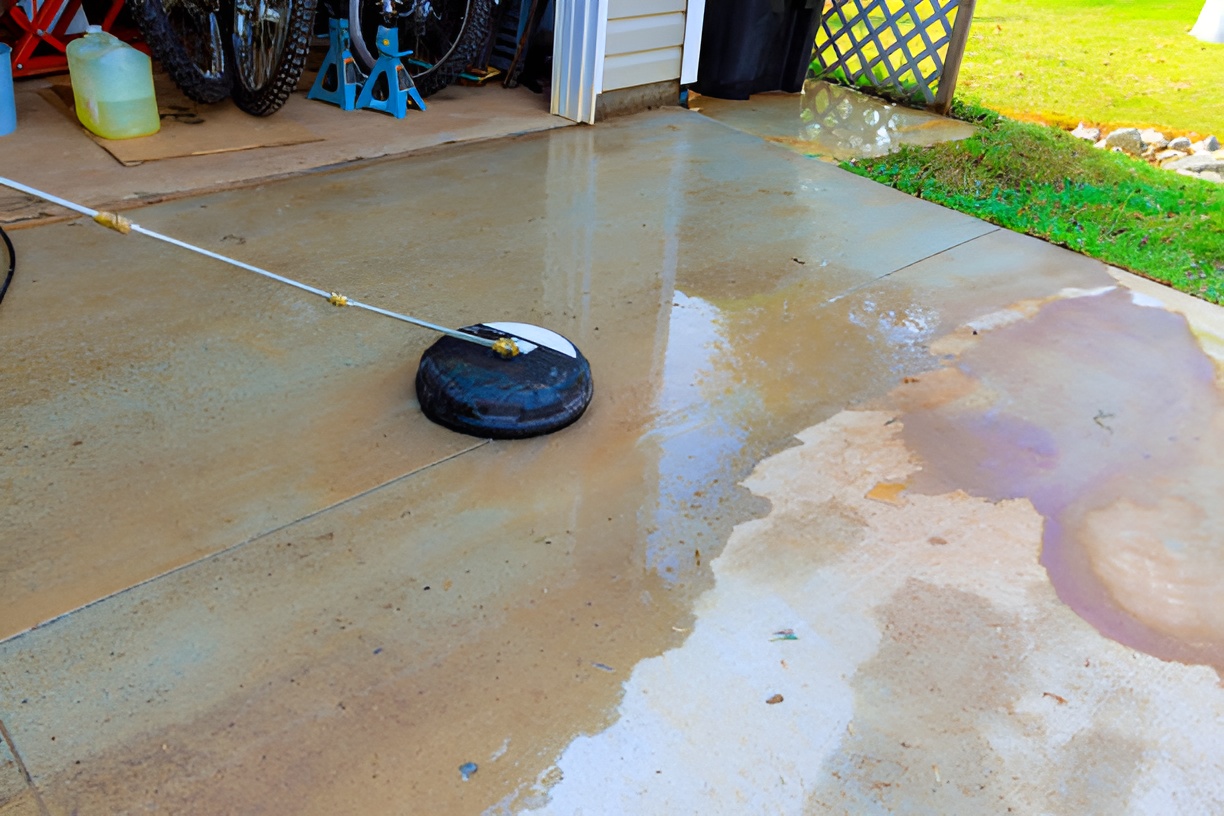
Oil stains on driveways are a common problem for many homeowners, especially in busy households where vehicles are parked regularly. These dark marks can quickly make an otherwise clean driveway appear neglected and worn. Learning properly helps restore the appearance of the surface while preventing long-term damage.
Fresh stains are usually easier to remove than older ones because the oil has not yet deeply penetrated the material. However, even stubborn marks can often be improved with simple household items and consistent cleaning methods. Understanding how to clean a driveway oil stain effectively can save both time and money while improving the overall look of the property.
Common Causes of Oil Stains on Driveways and How to Clean a Driveway Oil Stain Easily
Driveway oil stains often develop slowly over time due to leaking vehicles, maintenance work, or accidental spills. Even small leaks can leave noticeable marks if they are not cleaned quickly. Concrete and paving surfaces tend to absorb oil rapidly, making stains more difficult to remove once they settle.
Many homeowners begin searching for how to clean a driveway oil stain after noticing dark patches becoming more visible over time. Heat, rain, and regular vehicle movement can spread the oil further across the surface, making prompt action important.
Why Oil Penetrates Quickly
Concrete and similar driveway materials contain tiny pores that easily absorb liquids, allowing oil to penetrate quickly below the surface. This process happens even faster in warmer temperatures, where the heat reduces viscosity and helps the oil spread and soak deeper into the material.
Importance of Early Cleaning
Cleaning stains as soon as they appear greatly reduces the risk of permanent discoloration and deep penetration into the surface. Early action prevents the stain from setting into the material, making it easier to remove while also helping maintain the driveway’s clean, uniform appearance and overall long-term durability.
How to Clean a Driveway Oil Stain With Baking Soda and Washing Up Liquid
One of the simplest methods for tackling stains involves household cleaning products that are already available in many homes. Baking soda is highly effective because it absorbs excess oil while helping loosen surface residue.
Washing up liquid also works well because it is designed to break down grease and oils. Applying it directly to the stain and gently scrubbing the area often improves the appearance significantly.
Many homeowners prefer this method when learning how to clean a driveway oil stain because it is affordable, accessible, and suitable for regular maintenance without using harsh chemicals.
Using Warm Water for Better Results
Warm water is more effective than cold water at loosening grease because it helps break down oily bonds and reduces surface tension, allowing the residue to lift more easily. This improves overall cleaning performance, making it quicker and more efficient to remove stubborn grease stains from surfaces.
Gentle Scrubbing Techniques
Using a stiff brush helps scrub away surface oil more effectively by reaching into small pores and lifting residue that water alone cannot remove. When used with the right pressure, it cleans thoroughly without causing unnecessary damage to the driveway material, helping preserve its texture and strength.
Removing Old and Stubborn Oil Marks
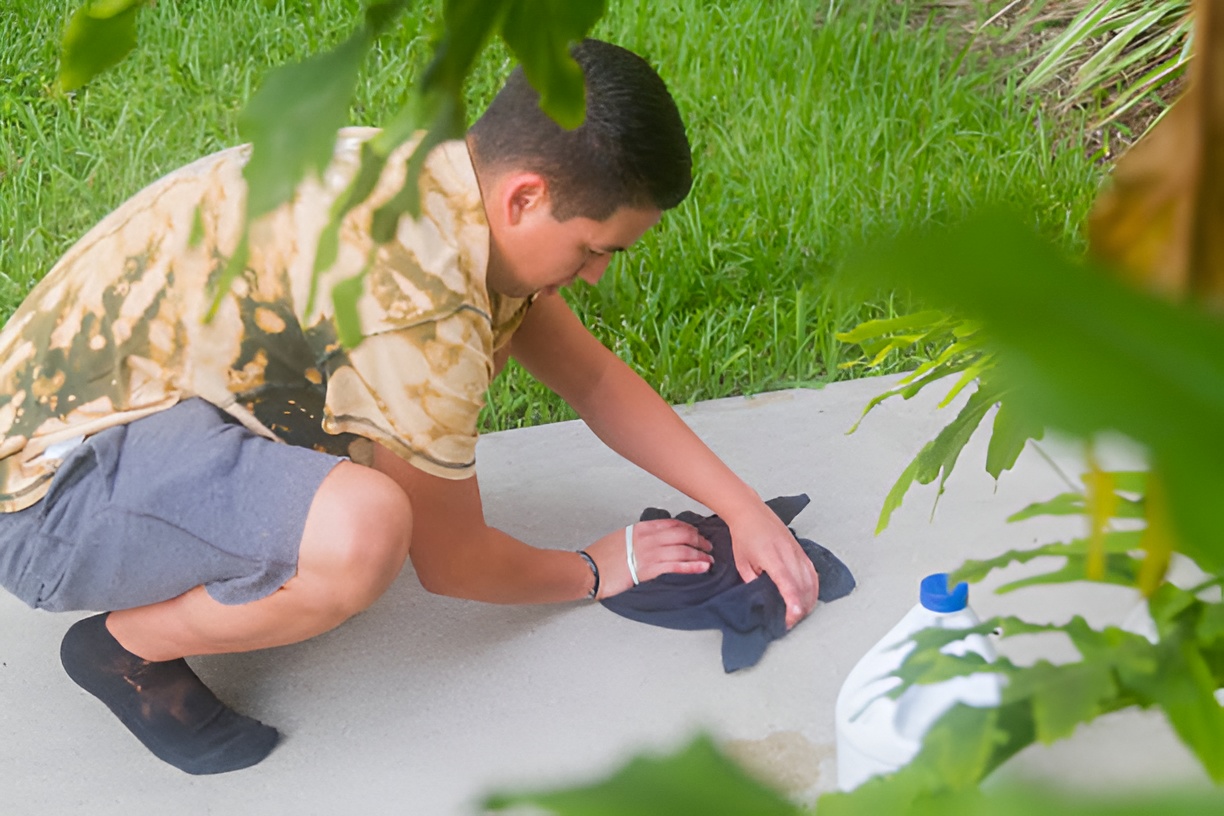
Older oil stains can be more difficult to remove because the oil has already settled deep into the surface. In these situations, repeated cleaning sessions may be necessary to improve the appearance fully.
Absorbent materials such as cat litter or bicarbonate of soda are often used to lift excess oil before applying liquid cleaners. Allowing these materials to sit on the stain overnight can help draw out embedded grease.
When exploring how to clean a driveway oil stain, patience is important because deeply set stains may require gradual improvement rather than instant removal.
Repeating the Cleaning Process
Older stains usually don’t lift completely in one attempt, so they respond better to repeated, gentle treatments over time rather than a single aggressive cleaning session.
Avoiding Surface Damage
Harsh chemicals and overly aggressive scrubbing can damage driveway surfaces, especially if they’re used too frequently or without proper dilution and technique, leading to fading, erosion, or surface weakening over time.
How to Clean a Driveway Oil Stain Without Expensive Products
Professional cleaning products are available, but many homeowners prefer affordable alternatives using simple household items. Vinegar, baking soda, and washing up liquid can often provide surprisingly effective results.
This approach is particularly useful for routine maintenance because it keeps costs low while still helping maintain a clean driveway appearance. Understanding without specialist products makes the task more manageable for everyday homeowners.
Natural cleaning methods also reduce exposure to strong chemicals, making them more suitable for regular use around gardens and outdoor spaces.
Affordable Cleaning Benefits
Simple home cleaning methods are cost-effective, easy to use, and can be repeated whenever needed, making them a practical option for maintaining surfaces without much effort or expense.
Safer Outdoor Cleaning
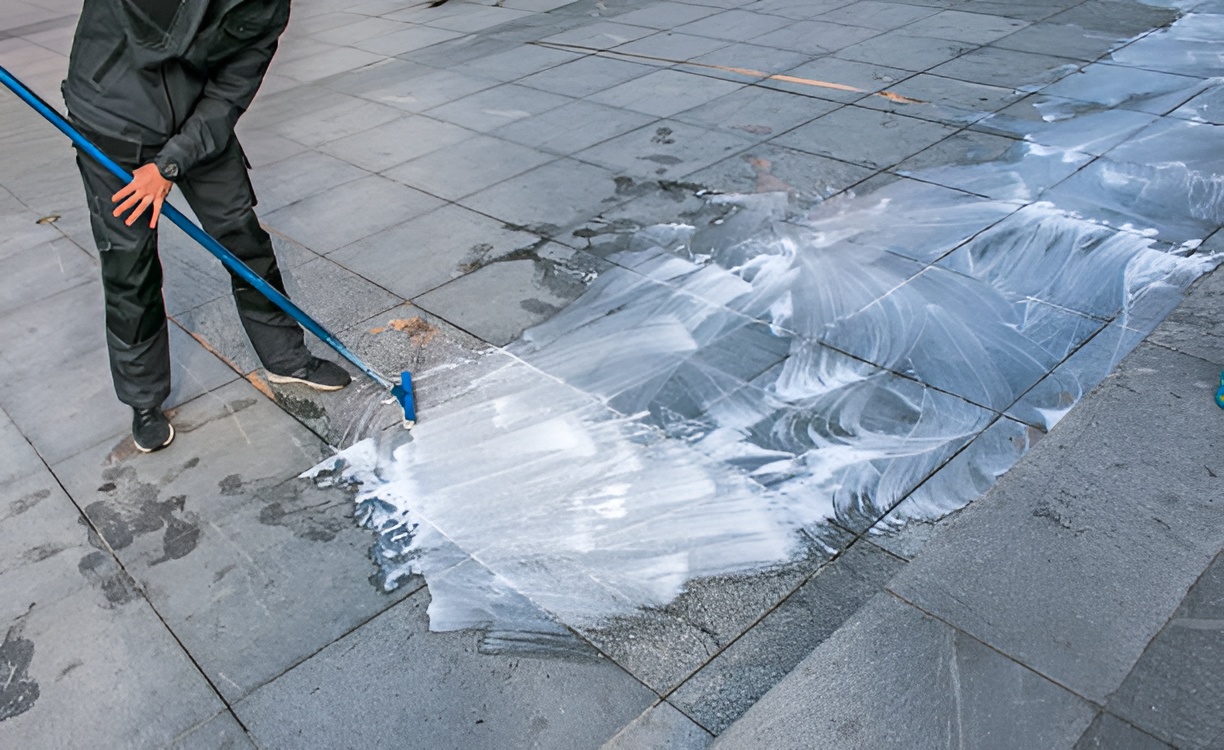
Using mild cleaning products helps reduce the risk of damaging nearby plants, soil, and surrounding outdoor surfaces, making it a safer choice for regular driveway maintenance.
Preventing Future Driveway Oil Stains
Prevention is often easier than repeated cleaning. Regular vehicle maintenance can help reduce the likelihood of oil leaks damaging driveway surfaces.
Protective driveway sealants may also help reduce absorption, making future stains easier to clean. These sealants create a barrier that limits how deeply oil can penetrate into the surface.
Many people researching how to clean a driveway oil stain eventually focus on prevention because maintaining a clean driveway becomes much easier over time.
Checking Vehicles Regularly
Routine checks help identify leaks early, allowing you to address small issues before they turn into serious staining problems that are harder and more costly to clean.
Using Protective Sealants
Sealants help preserve the driveway’s appearance by forming a protective layer that resists stains, moisture, and wear, while also reducing how often future maintenance is needed.
Everyday Habits for a Cleaner Driveway
Small daily habits can significantly improve driveway appearance. Cleaning fresh spills immediately prevents oil from soaking into the surface and becoming harder to remove later.
Keeping cleaning materials nearby also encourages faster action whenever leaks occur. Even simple absorbent cloths or paper towels can reduce damage if used quickly.
Learning how to clean a driveway oil stain becomes easier when combined with regular maintenance habits that keep surfaces in better condition overall.
Weather and Its Effect on Oil Stains
Weather conditions can influence how difficult stains become. Hot weather softens oil and allows it to spread more easily across surfaces, while rain can spread residue further into paving gaps.
Cold weather may slow cleaning effectiveness because grease hardens at lower temperatures. This is why warm water and consistent cleaning are often recommended when treating stains.
Understanding these environmental factors helps homeowners approach how to clean a driveway oil stain more effectively throughout the year.
Final Thoughts
Oil stains can quickly affect the appearance of any driveway, but they are usually manageable with the right approach. Simple household products often provide effective results without the need for expensive cleaning solutions.
Knowing allows homeowners to respond quickly before marks become permanent. From baking soda to washing up liquid, small cleaning steps can make a noticeable difference.
Ultimately, how to clean a driveway oil stain is about acting early, using practical methods, and maintaining the surface regularly to keep the driveway looking clean and well cared for.
FAQs
How long does it take to clean an oil stain from a driveway?
The time depends on how old the stain is and how deeply the oil has soaked into the surface. Fresh stains may improve within minutes, while older stains often require repeated cleaning over several days.
Can household items really remove driveway oil stains?
Yes, common household products such as baking soda, washing up liquid, and vinegar can help break down grease and absorb oil effectively when used properly.
Does hot water help remove oil stains faster?
Warm or hot water usually works better because it helps loosen grease and improves the effectiveness of cleaning products during scrubbing.
Will oil stains permanently damage a driveway?
If left untreated for a long time, oil stains can cause deep discolouration. However, early cleaning and regular maintenance often prevent permanent marks.
Is pressure washing good for oil stain removal?
Pressure washing can help remove surface residue, but it may not fully eliminate deep stains without proper cleaning products beforehand.
How can future driveway oil stains be prevented?
Regular vehicle maintenance, quick spill cleaning, and protective driveway sealants can help reduce future staining problems significantly.