
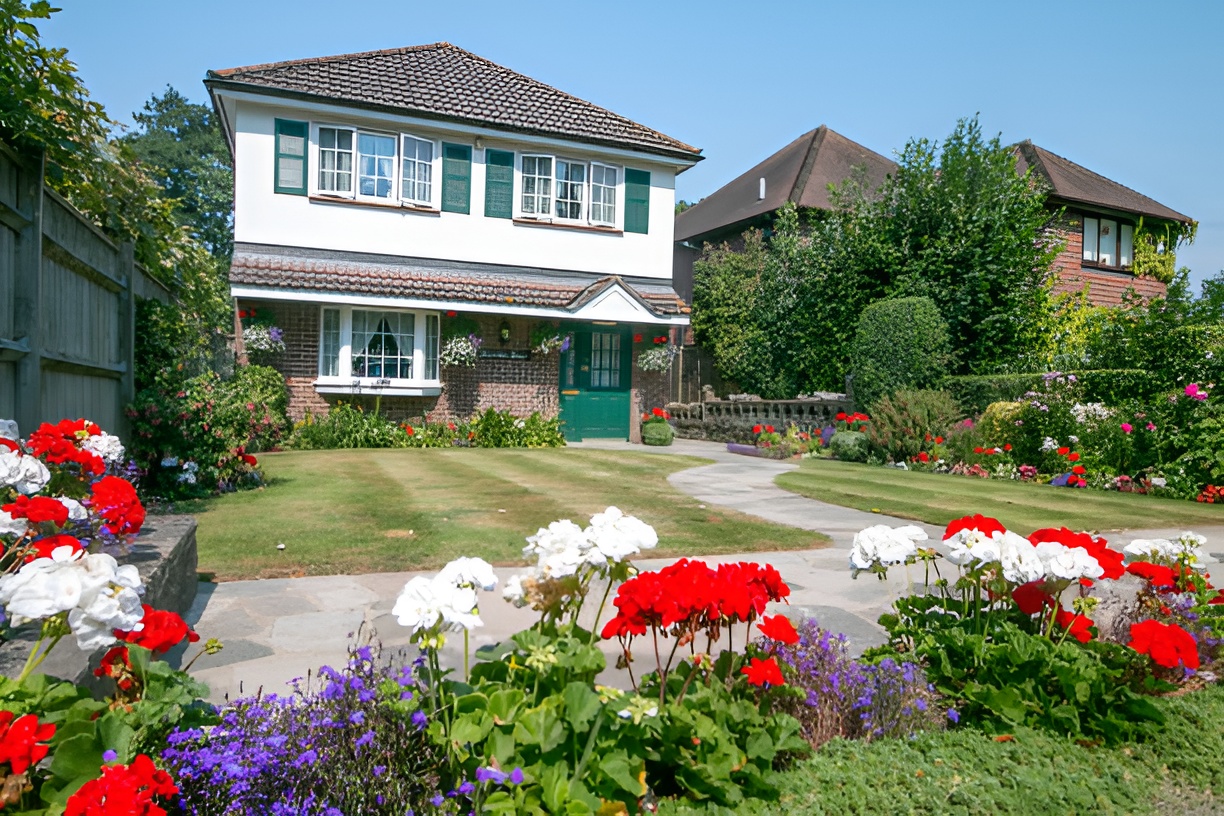
Choosing the right care home can be a challenging decision for families and individuals. Ensuring comfort, safety, and a supportive environment is essential for those seeking professional care. Purley Gardens Care Home Safety Tips provide guidance for families, caregivers, and residents to make the most of their care home experience. From daily routines to social engagement, understanding the nuances of care homes can improve the quality of life for residents.
Essential Purley Gardens Care Home Safety Tips for Daily Life
Living in a care home involves adapting to new routines and making the most of available services. One of the most important aspects is creating a balance between independence and receiving support from staff. These Purley Gardens Care Home Safety Tips focus on daily life practices that ensure residents feel safe, comfortable, and actively engaged.
Maintaining a consistent routine is vital. It helps residents manage their time, remain mentally active, and feel a sense of stability. Simple actions like setting meal times, scheduled walks, and participation in social activities can have a profound impact on emotional well-being. The staff at care homes often encourage residents to engage in activities suited to their interests and abilities, promoting confidence and autonomy.
Nutrition and Health Management
Proper nutrition is a cornerstone of well-being in care homes. Purley Gardens Care Home Safety Tips emphasize the importance of balanced diets tailored to individual health needs. Residents should work with caregivers to create meal plans that address dietary restrictions, promote healthy weight, and provide essential vitamins and minerals.
Regular medical check-ups are also critical. Residents and families should ensure that medications are administered correctly, appointments are not missed, and any health concerns are promptly addressed. Health monitoring helps prevent complications and promotes a proactive approach to well-being.
Personal Care and Hygiene
Maintaining personal hygiene is another crucial aspect of care home living. Following consistent routines for bathing, grooming, and dressing not only supports physical health but also enhances self-esteem. Purley Gardens Care Home Safety Tips suggest that residents personalize their space with familiar items like toiletries, clothing, and personal care products to maintain a sense of individuality.
Care home staff are trained to assist with personal care while respecting residents’ privacy and dignity. Encouraging residents to participate in daily care routines, as much as possible, promotes independence and fosters confidence.
Social Engagement and Mental Well-Being
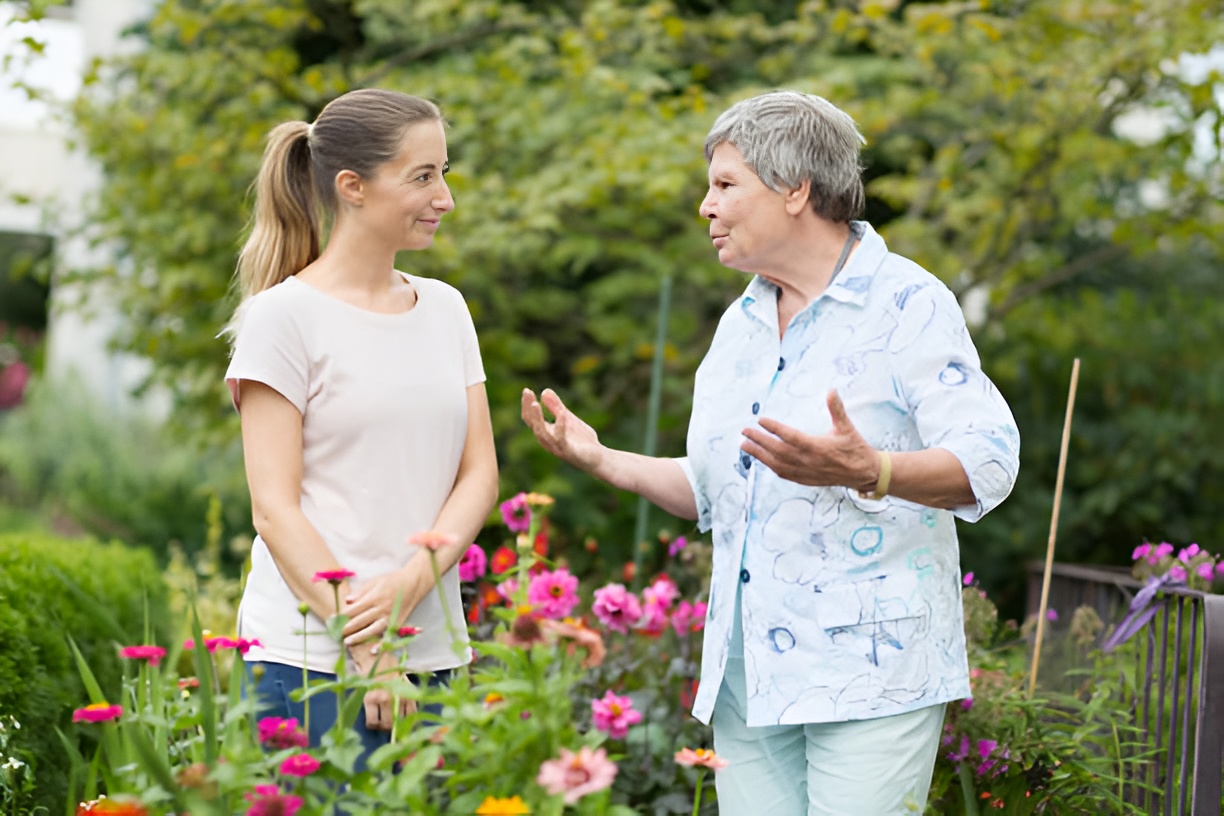
A key component of life in a care home is social engagement. Interaction with peers, participation in group activities, and fostering new friendships contribute to mental well-being and reduce feelings of isolation. These Purley Gardens Care Home Safety Tips highlight the importance of maintaining an active social life.
Recreational Activities
Care homes offer various recreational activities, including arts and crafts, music sessions, and fitness classes tailored to different abilities. Residents are encouraged to join activities that interest them, as participation can improve mood, cognitive function, and overall happiness. Structured activities provide a sense of purpose and an opportunity to learn new skills or revisit old hobbies.
Emotional Support and Companionship
Emotional support is equally important. Care home staff often provide companionship, counseling, and encouragement to help residents adjust to the care home environment. Purley Gardens Care Home Safety Tips recommend that families regularly communicate with residents, visit whenever possible, and participate in joint activities to strengthen bonds and promote emotional stability.
Mental Stimulation
Engaging in mentally stimulating activities, such as puzzles, reading, or educational sessions, helps maintain cognitive abilities. Care homes often provide tailored programs for memory support and brain exercises. These initiatives are critical for residents with conditions like dementia or cognitive decline, as they help sustain mental agility and overall quality of life.
Safety and Comfort in the Care Home
Ensuring safety and comfort is one of the fundamental priorities in care homes. From preventing falls to emergency preparedness, following safety protocols enhances residents’ security and peace of mind. Purley Gardens Care Home Safety Tips focus on creating a safe and accessible environment that caters to the physical and emotional needs of residents.
Fall Prevention and Mobility Support
Falls are a common concern in care homes. Maintaining clear walkways, providing supportive furniture, and using mobility aids when necessary can significantly reduce risks. Residents are encouraged to participate in exercises that improve strength and balance, promoting independence while preventing accidents.
Emergency Readiness
Care homes are equipped with safety systems and trained staff to handle emergencies, including medical issues, fire, or sudden health events. Residents should familiarize themselves with safety procedures and communicate their individual needs to staff members. Clear signage, accessible alarms, and regular drills ensure preparedness and provide reassurance.
Comfortable Living Spaces
A personalized and comfortable living space enhances the quality of life in care homes. Purley Gardens Care Home Safety Tips suggest decorating rooms with personal items, family photos, and familiar furniture to create a home-like atmosphere. Comfortable bedding, adjustable lighting, and temperature control contribute to physical comfort and overall well-being.
Family Involvement and Communication
Families play a vital role in supporting residents in care homes. Regular communication and involvement in care plans strengthen relationships and help residents feel connected to their loved ones. These Purley Gardens Care Home Safety Tips encourage families to actively participate in decisions regarding health, activities, and personal preferences.
Regular Visits and Check-Ins
Frequent visits and consistent communication can reduce feelings of loneliness and improve residents’ emotional health. Families can participate in meal times, activities, and events to maintain bonds and monitor overall satisfaction with the care home experience.
Collaborative Care Planning
Effective care involves collaboration between residents, families, and care home staff. Developing a care plan that addresses physical health, emotional needs, and social engagement ensures that residents receive personalized and holistic support. Purley Gardens Care Home Safety Tips emphasize open communication channels to address concerns and adapt plans as needed.
Conclusion
Life in a care home can be enriching, supportive, and fulfilling when approached with care and guidance. Following Purley Gardens Care Home Safety Tips ensures that residents receive comprehensive support, maintain independence, and enjoy a high quality of life. From daily routines and personal care to social engagement and safety measures, these tips help create an environment that promotes comfort, dignity, and emotional well-being. Families, caregivers, and residents alike can benefit from applying these insights, making the care home experience positive, fulfilling, and rewarding.
The Purley Gardens Care Home Safety Tips provided here serve as a valuable guide for anyone involved in care home life, ensuring that residents thrive, remain engaged, and enjoy a safe, happy, and healthy living environment.