Maintaining a home garden can be one of the most rewarding experiences, not just for the beauty and bounty it provides, but also for the peace and mindfulness it brings. Whether you’re growing flowers, herbs, vegetables, or a mix of everything, the key to success lies in understanding what your plants need and how to create the ideal environment for them to flourish. A healthy garden requires ongoing attention, a bit of planning, and plenty of care. Here’s how you can ensure your home garden remains vibrant and thriving throughout the seasons.
Start With the Right Soil
Everything in the garden begins with soil. Healthy soil is the foundation of a healthy garden. Before planting anything, it’s crucial to test your soil to understand its pH and nutrient levels. This will help you determine if you need to amend it with organic matter such as compost or aged manure.
Good garden soil should be rich in nutrients, loose enough to allow roots to spread, and well-draining so water doesn’t sit around and rot the roots. Adding organic matter not only improves soil fertility but also enhances its structure, enabling better air and water flow. Mulching is another great way to protect the soil, keep it moist, and suppress weeds that might compete with your plants for resources.
Water Wisely and Consistently
Water is essential, but too much or too little can be damaging. One of the most common mistakes gardeners make is inconsistent watering. It’s important to water deeply but less frequently, encouraging roots to grow deeper into the soil. Shallow watering only wets the surface and leads to weak, shallow root systems.
The best time to water is early in the morning or late in the afternoon to reduce evaporation and give plants enough time to absorb moisture before the heat of the day. Drip irrigation systems or soaker hoses are effective in delivering water directly to the roots while minimizing water waste.
Choose the Right Plants for Your Region
Your garden will thrive when you choose plants that are suited to your climate and soil conditions. Native plants or varieties adapted to your local environment tend to require less maintenance, resist local pests and diseases, and adapt better to seasonal changes.
Doing a little research before planting can save you time and trouble later. Consider the amount of sunlight your garden gets each day and select plants accordingly sun-loving plants need at least six hours of sunlight, while shade-tolerant plants thrive with less.
Keep an Eye on Pests and Diseases
Pests and diseases can wreak havoc on a garden if left unchecked. The best way to manage these threats is through regular observation. Check your plants often for signs of damage, discoloration, holes in leaves, or unusual growth patterns. Catching problems early means they can often be dealt with before becoming serious.
Encourage beneficial insects like ladybugs and lacewings, which feed on pests like aphids. Natural pest control methods, such as neem oil or insecticidal soaps, can be used to target harmful bugs without affecting the ecosystem of your garden.
Crop rotation and companion planting are also smart practices. By changing the location of your crops each season, you reduce the chances of disease buildup in the soil. Companion planting, like growing marigolds near vegetables, can naturally repel pests and support plant health.
Feed Your Plants Regularly
Plants, like people, need food to grow and thrive. Fertilizing your garden ensures that your plants receive the nutrients they need. Organic fertilizers like compost tea, fish emulsion, and seaweed extracts are not only effective but also safe for the environment.
The type and frequency of fertilization depend on the plant’s needs and the condition of your soil. Over-fertilizing can be just as harmful as under-fertilizing, causing leaf burn or excessive foliage growth at the expense of flowers or fruit.
Pay attention to the signs your plants give you. Yellowing leaves, stunted growth, or poor yields might indicate a nutrient deficiency that needs addressing.
Prune and Deadhead for Growth
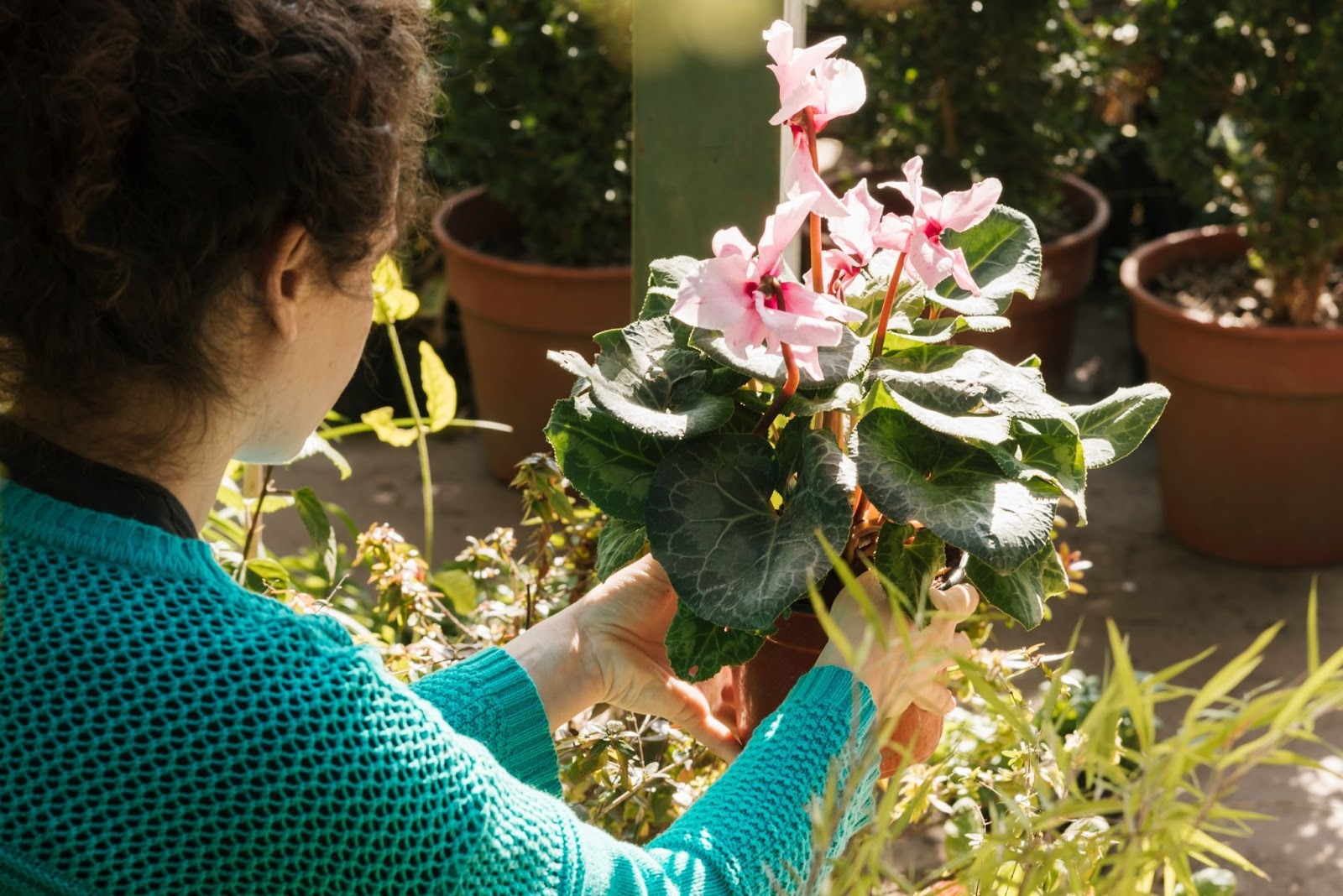
Regular maintenance like pruning and deadheading helps your garden look tidy and encourages more vigorous growth. Pruning helps shape the plant, remove dead or diseased branches, and improve air circulation, which reduces the risk of disease.
Deadheading, or removing spent blooms, redirects the plant’s energy toward producing new flowers instead of seeds. This simple step can lead to more blooms and a longer flowering season. Make sure you use clean, sharp tools to avoid spreading disease from one plant to another.
Give Your Plants Space to Breathe
Crowded plants are more susceptible to disease and pest problems because air can’t circulate freely between them. When planting, always follow spacing recommendations to give each plant the room it needs to grow. This not only reduces the risk of fungal infections but also allows roots to access water and nutrients without competing too much with their neighbors.
As your garden matures, thinning out overgrown areas is sometimes necessary. Don’t be afraid to remove or relocate plants that are struggling or taking over. A well-balanced garden is both healthier and more visually appealing.
Adapt With the Seasons
A thriving garden is one that evolves with the seasons. As the weather changes, so should your gardening practices. In spring and summer, focus on planting and maintenance. In autumn, shift your focus to harvesting, mulching, and preparing the soil for the colder months.
Winter doesn’t mean your garden goes to sleep completely. It’s a good time to prune, plan for the next season, and take care of perennials. In colder climates, protect sensitive plants with coverings or bring them indoors if needed.
Conclusion
Creating and maintaining a healthy home garden isn’t about perfection, it’s about consistency, care, and learning along the way. A thriving garden reflects the attention and love of the gardener. By building a strong foundation with quality soil, choosing the right plants, keeping an eye out for pests, and staying consistent with watering and feeding, you’ll create a garden that not only looks beautiful but also brings lasting satisfaction and joy.