Indoor-outdoor living has become more than just a design trend; it’s a lifestyle that brings the comfort of the indoors into harmony with the beauty of nature. Whether you have a sprawling backyard or a small patio, this season is the perfect time to blend the boundaries between inside and out. With a few intentional updates, you can create a seamless transition that boosts your home’s functionality, aesthetic appeal, and your overall well-being.
1. Open Up Your Space with Large Doors or Windows
One of the most impactful changes you can make is installing large glass doors, such as sliding, folding, or French doors, that open directly to your outdoor space. These doors not only let in natural light but also make it easy to transition between indoor and outdoor living areas.
If a full door replacement isn’t in the cards, consider larger windows that bring in natural views and make your indoor space feel more connected to nature.
Tip: Keep window coverings minimal or sheer to let in maximum daylight and create a visual flow from inside to outside.
2. Create a Comfortable Outdoor Seating Area
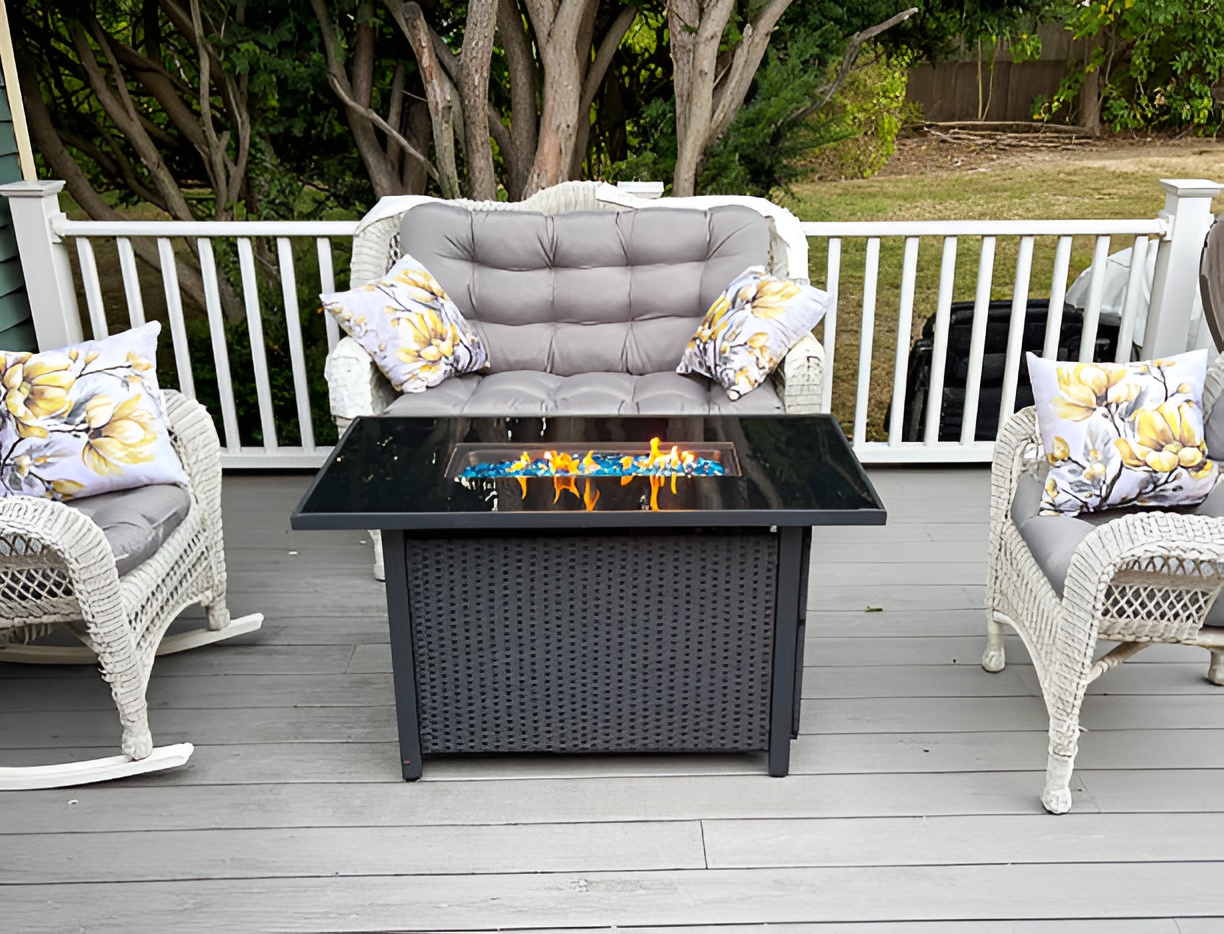
A cozy, well-designed outdoor seating area is the heart of any indoor-outdoor living setup. Invest in comfortable, weather-resistant furniture that invites relaxation. Think plush cushions, a few throws, and even an outdoor rug to anchor the space.
Whether it’s a porch, balcony, or backyard deck, your outdoor area should feel like an extension of your living room.
Tip: Arrange seating to encourage conversation, and consider a coffee table or fire pit for a central gathering point.
3. Use Consistent Flooring or Design Themes
To make your indoor and outdoor areas feel like one cohesive space, use similar materials or design elements across both zones. If possible, extend your interior flooring onto the patio, or use similar tones and textures.
If matching flooring isn’t possible, echo the indoor color palette or décor style outside with pillows, planters, or lighting. This continuity creates a harmonious vibe.
Tip: Choose outdoor-friendly rugs and accessories that mirror your interior’s design to bridge the spaces.
4. Add Greenery Inside and Out
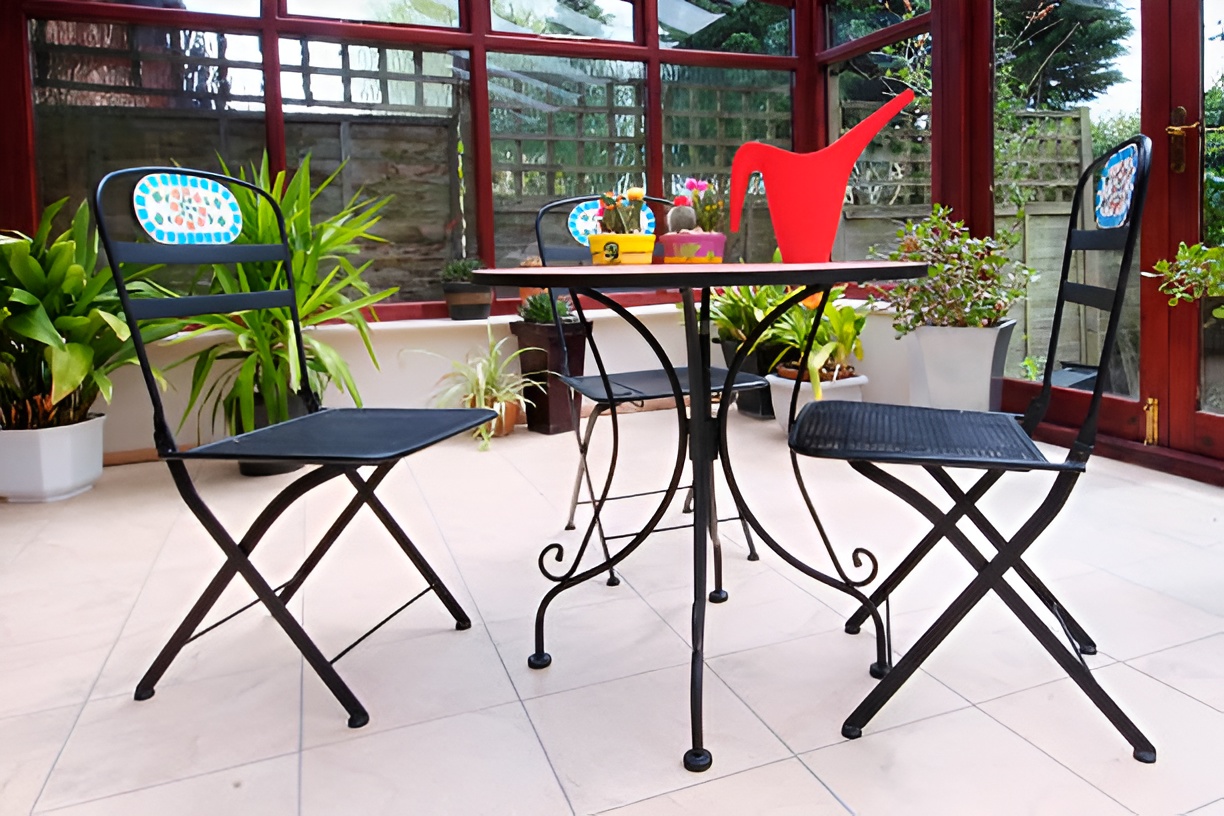
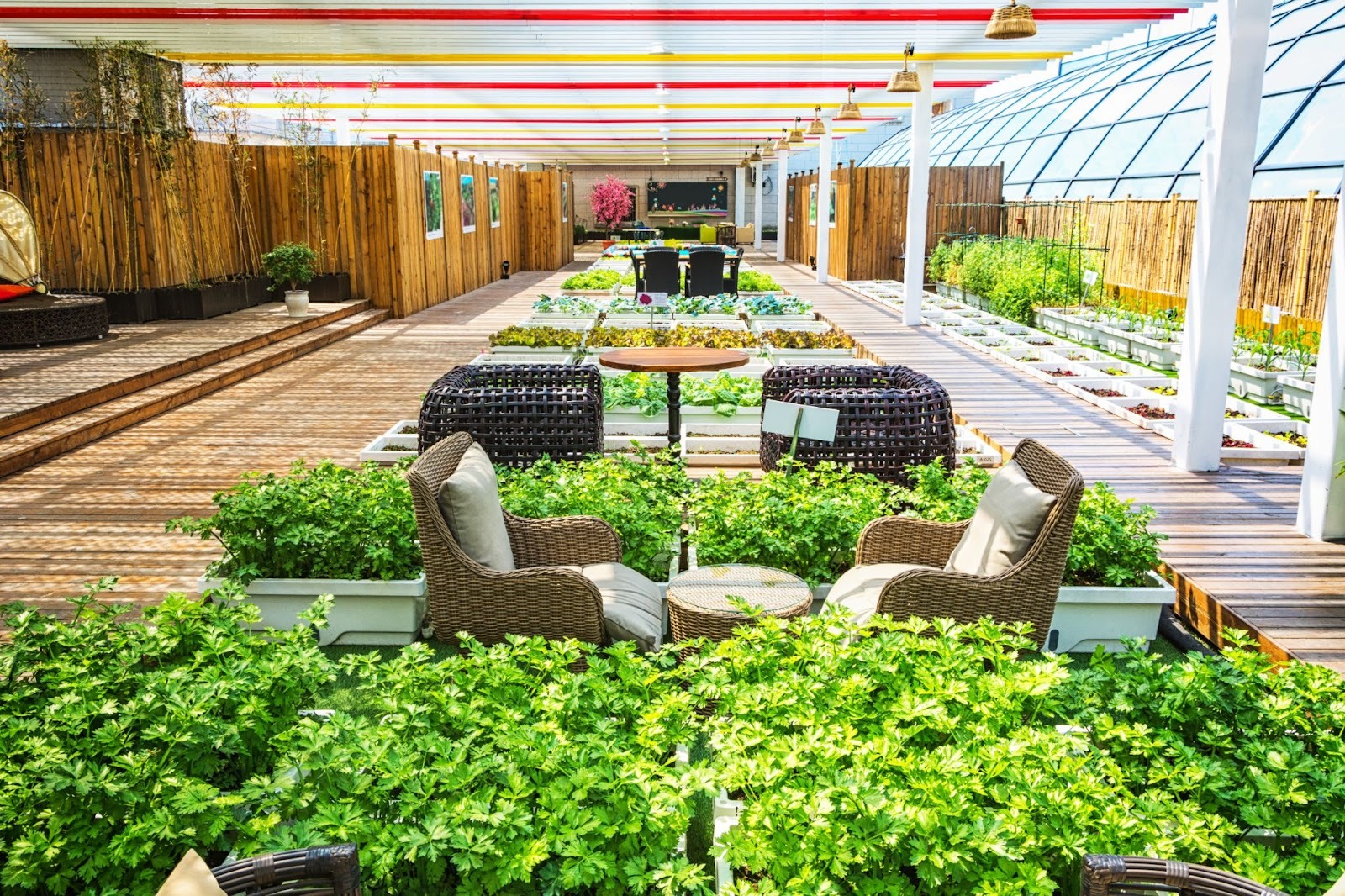
Plants are the ultimate connectors between indoor and outdoor environments. Use potted plants, hanging baskets, or vertical gardens both inside near windows and outside in seating areas to create a lush, unified look.
Bringing greenery indoors blurs the lines and brings the calming effects of nature into your home.
Tip: Choose low-maintenance, air-purifying plants like snake plants, pothos, or ferns to enhance indoor air quality and aesthetics.
5. Incorporate Soft Lighting for Evening Ambiance
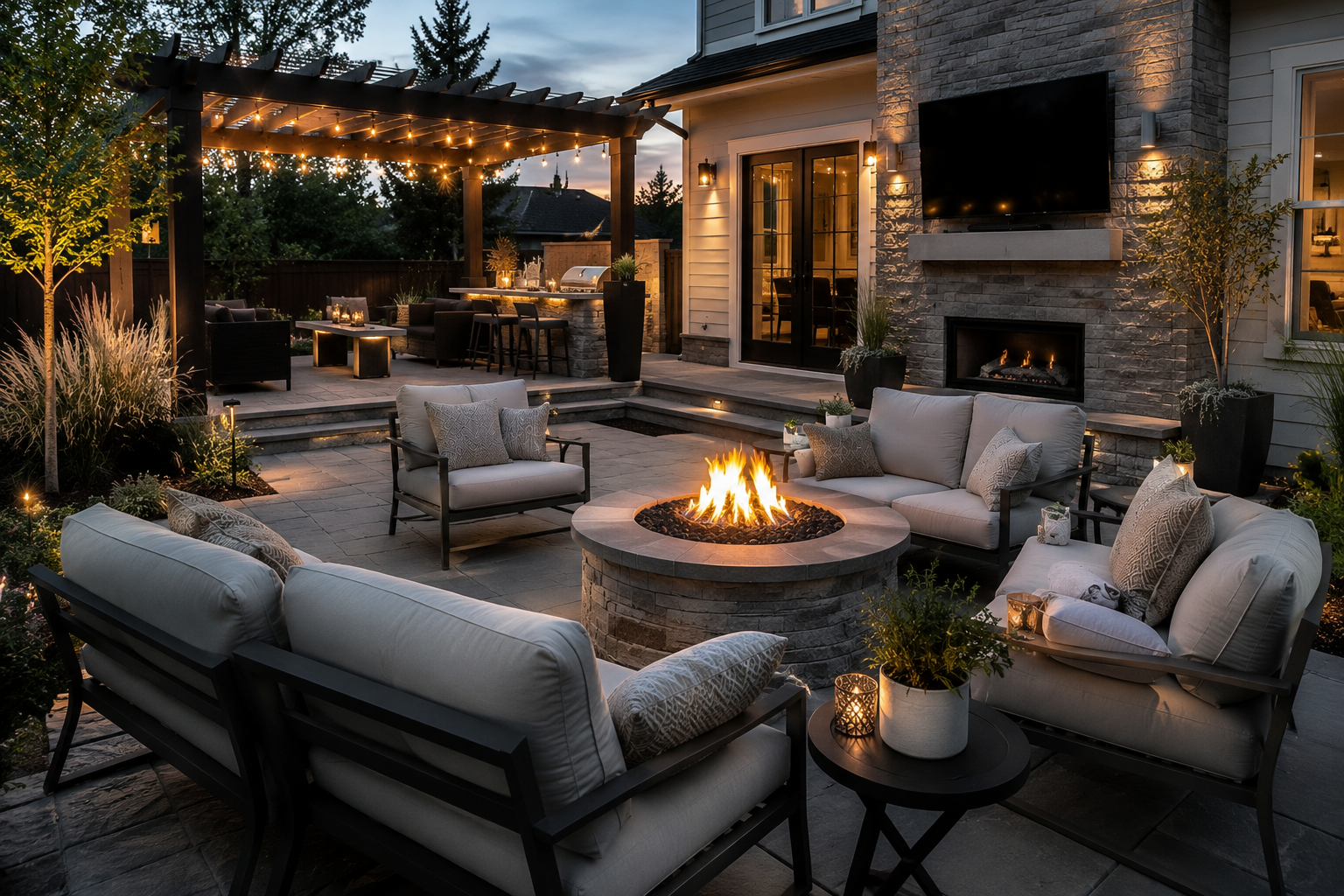
As the sun sets, lighting plays a crucial role in maintaining your indoor-outdoor atmosphere. Use warm-toned lights, lanterns, fairy lights, or LED candles to add a soft, inviting glow to your outdoor areas.
Inside, dimmable lights or floor lamps near windows can enhance the seamless feel, especially when outdoor spaces are visible from your living area.
Tip: Solar-powered or battery-operated lights are perfect for hassle-free outdoor illumination.
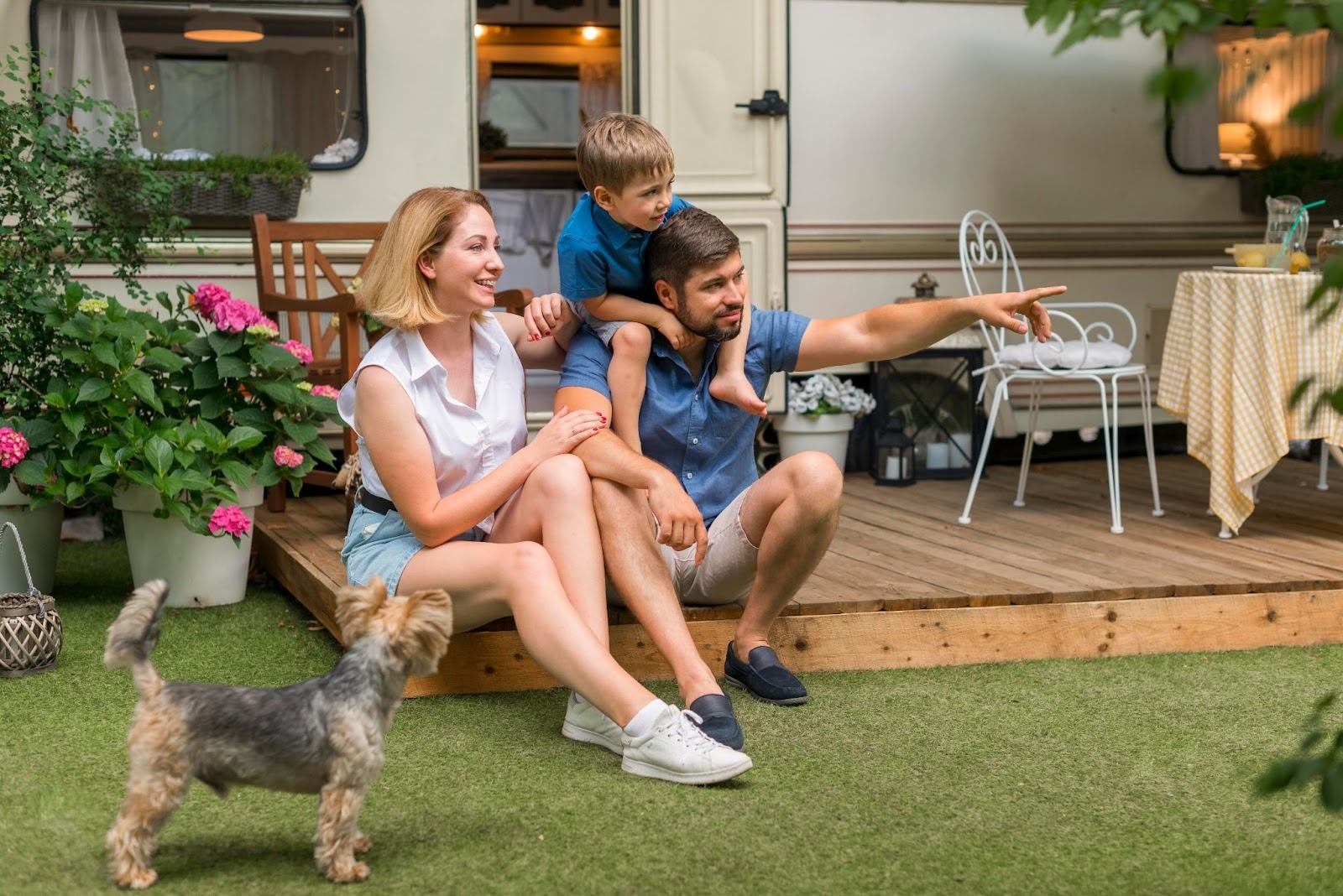
6. Make Your Outdoor Area Functional Year-Round
To truly embrace indoor-outdoor living, design your outdoor area to be usable in multiple seasons. Add shade with umbrellas or pergolas in the summer, and warmth with patio heaters or fire pits during cooler months.
Consider retractable awnings, roll-down screens, or outdoor curtains to provide privacy and shelter when needed.
Tip: Keep a basket of blankets or throws near the door so guests (and you) can cozy up outside even when it’s chilly.
7. Bring the Kitchen Outside
Nothing says indoor-outdoor living like cooking and dining al fresco. A full outdoor kitchen isn’t necessary; a grill, prep table, and some storage go a long way. Set up a bar cart, a drink station, or even a small outdoor pizza oven to encourage more time spent outdoors.
You can also bring the outdoor experience inside by using natural materials like wood or stone in your indoor kitchen.
Tip: Keep outdoor dining areas close to the kitchen for easy serving and cleanup.
8. Use Tech to Enhance the Experience
Smart lighting, wireless speakers, and even outdoor-friendly TVs can help elevate your indoor-outdoor space. Whether you’re entertaining or simply relaxing, technology can add convenience and comfort.
Sync your indoor and outdoor systems for a seamless experience, like having music flow through both spaces or lighting adjust at the same time.
Tip: Opt for weatherproof devices designed specifically for outdoor use to ensure durability.
9. Declutter to Enhance Flow
Clutter disrupts the natural, breezy feel that indoor-outdoor living aims to achieve. Keep pathways clear, minimise excess furniture, and use storage solutions to hide away items not in use.
Inside, maintain a clean and open layout near doors and windows leading to the outside. This not only looks better but also encourages more movement between spaces.
Tip: Use multi-functional furniture like benches with storage to reduce visual clutter.
Final Thoughts
Embracing indoor-outdoor living doesn’t require a full renovation or a sprawling yard; it’s all about thoughtful, intentional changes that make your home feel more connected to the natural world. By opening up spaces, adding comfort, and creating visual continuity, you can enjoy the best of both worlds this season.