Painting your home can bring a fresh and modern look to your space, but it often comes with the risk of spills, stains, and accidental damage. Protecting your cover floor when painting during this process is essential to maintain its original condition. Whether you are working with hardwood, tiles, or carpets, taking the right precautions can save you time, effort, and repair costs. Many homeowners underestimate the importance of preparing their floors before painting begins, which can lead to permanent stains and scratches.
The simplest and most effective approach is to properly cover floor when painting to avoid unwanted mess. By using the right materials and techniques, you can ensure that your floors remain clean and damage-free throughout the entire project.
Why You Should Cover Floor When Painting
Before starting any painting project, it is important to understand the risks involved. Paint splashes, drips, and accidental spills can happen even with careful handling. Taking steps to cover floor when painting protects your investment and keeps your home looking neat.
Preventing Paint Stains
Paint can be difficult to remove once it dries, especially on porous surfaces like wood or carpet. Covering your floor creates a barrier that prevents paint from coming into direct contact with the surface. This ensures that even if accidents occur, your flooring remains safe and easy to clean.
Avoiding Scratches and Damage
Painting projects often involve moving furniture, ladders, and tools, which can cause scratches on delicate flooring. Using protective coverings reduces the risk of damage and keeps your floors in excellent condition. This is particularly important for high-value flooring materials.
Choosing the Right Floor Protection
Selecting the right materials is crucial when planning to cover floor when painting. Different types of flooring require different levels of protection, so it is important to choose wisely.
Plastic Sheets and Drop Cloths
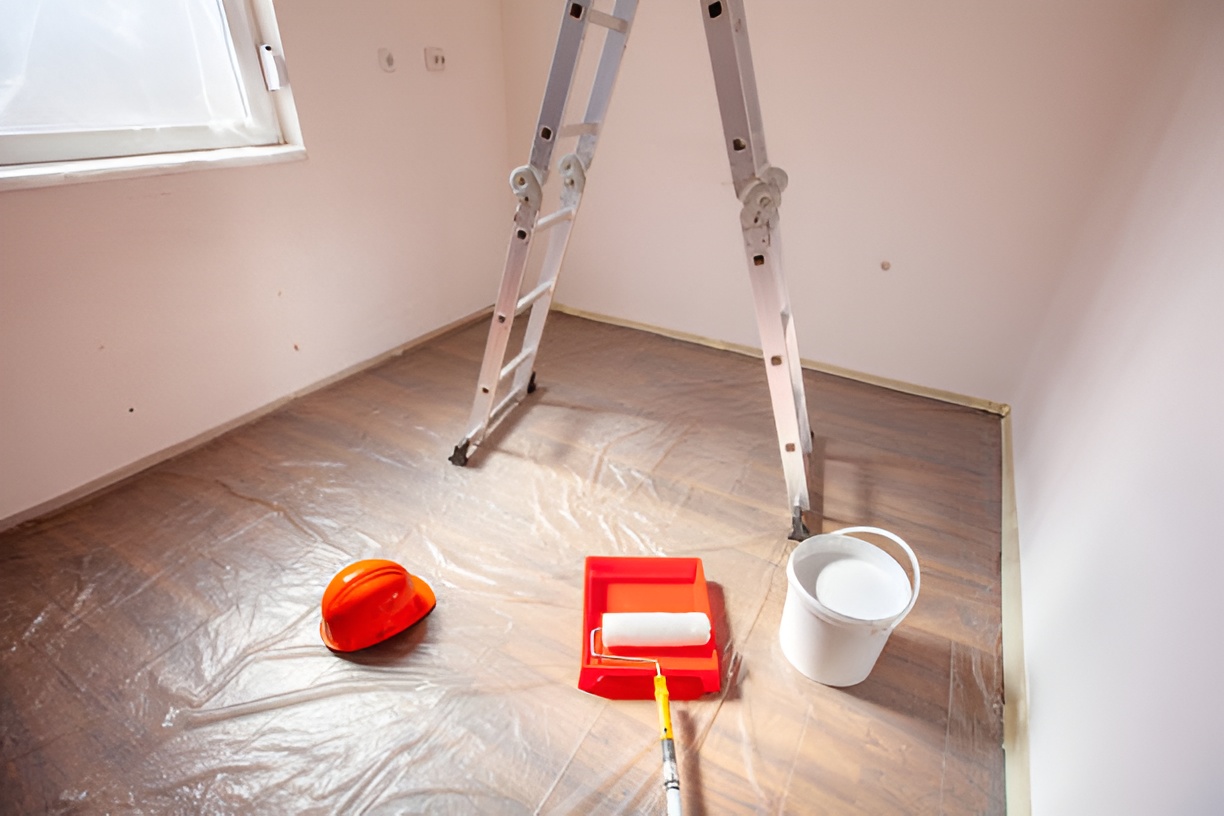
Plastic sheets are a popular choice because they are waterproof and easy to use. They create a strong barrier against spills and are ideal for large areas. Drop cloths, on the other hand, are reusable and provide better grip, reducing the chances of slipping.
Protective Films and Tapes
For a more secure solution, adhesive protective films can be applied directly to the floor. These films stay in place and provide consistent coverage. Tapes can also be used to secure edges and prevent movement, ensuring full protection during the painting process.
Proper Installation Techniques
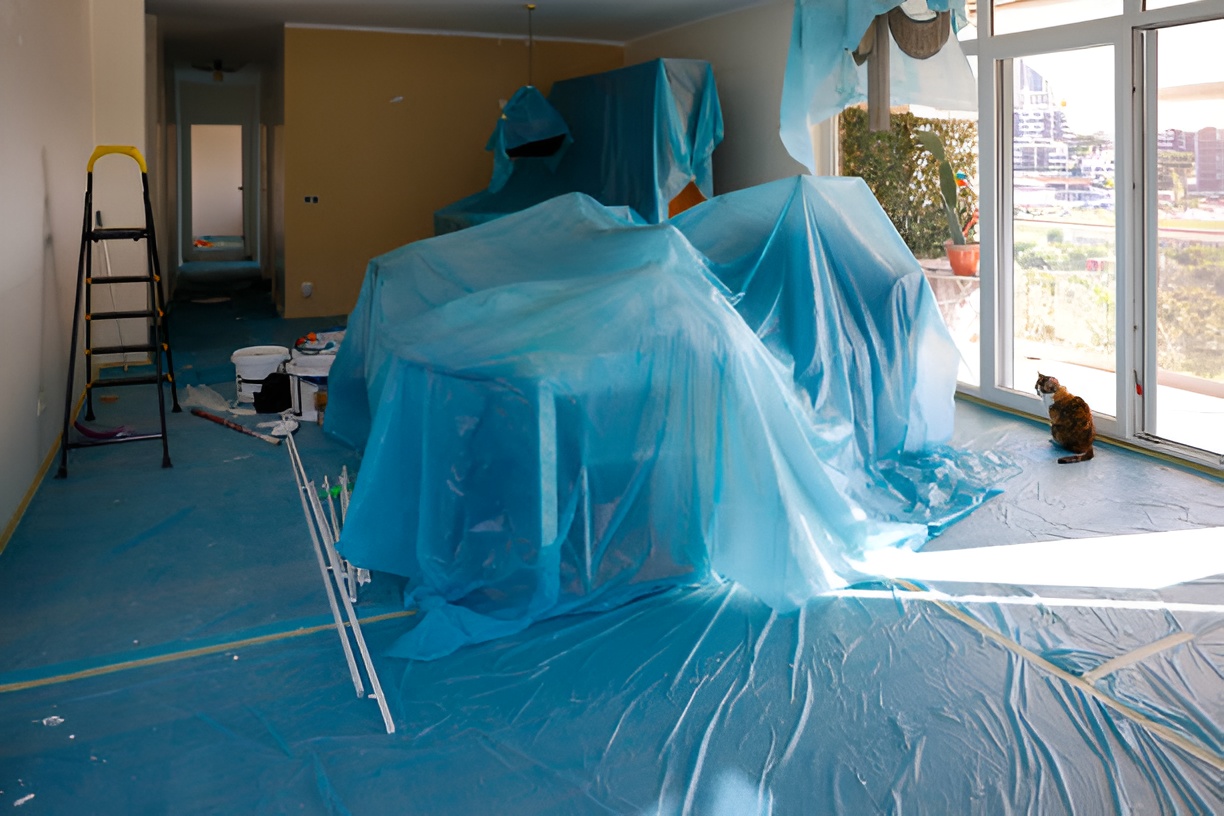
Correct installation is just as important as choosing the right materials. Simply placing a covering on the floor is not enough; it needs to be properly secured to ensure effectiveness.
Preparing the Surface
Before applying any protective covering, make sure the floor is clean and dry. Dust and debris can cause uneven placement and reduce the effectiveness of the covering. A clean surface allows the material to stay in place and perform better.
Securing the Covering
To effectively cover floor when painting, ensure that all edges are properly secured. Use tape to hold the covering in place and prevent it from shifting during the project. This step is essential for maintaining consistent protection.
Tips for Different Floor Types
Each type of flooring requires specific care when being protected. Understanding these differences helps you choose the best approach for your needs.
Hardwood Floors
Hardwood floors are particularly sensitive to paint and scratches. Using a thick protective layer ensures that the surface remains intact. It is important to avoid materials that may trap moisture, as this can damage the wood over time.
Carpeted Floors
Carpets can absorb paint quickly, making stains difficult to remove. A waterproof covering is essential to prevent paint from seeping through. Ensuring complete coverage helps maintain the cleanliness and appearance of your carpet.
Tile and Laminate
Tile and laminate floors are more resistant to stains but can still be affected by paint and heavy equipment. A simple protective layer can prevent unnecessary damage and keep these surfaces looking new.
Common Mistakes to Avoid
Even with the best intentions, mistakes can happen during painting projects. Being aware of common errors can help you avoid unnecessary problems.
Using Low-Quality Materials
Cheap or thin coverings may not provide adequate protection. Investing in high-quality materials ensures better results and reduces the risk of damage. This is especially important for large or complex projects.
Ignoring Proper Coverage
Failing to fully cover floor when painting can leave certain areas exposed to damage. Always double-check your setup to ensure complete protection. Overlapping materials can provide extra security.
Long-Term Benefits of Floor Protection
Taking the time to protect your floors offers long-term advantages. It not only prevents immediate damage but also preserves the overall value of your home.
Maintaining Floor Appearance
Floors play a significant role in the overall look of your home. Keeping them clean and damage-free enhances the aesthetic appeal of your space. Proper protection ensures that your flooring continues to look its best.
Saving Time and Money
Repairing or replacing damaged flooring can be expensive and time-consuming. By choosing to cover floor when painting, you can avoid these costs and complete your project more efficiently.
Conclusion
Painting your home should be an exciting and rewarding experience, not a stressful one. Taking the necessary steps to protect your floors ensures that your project runs smoothly and delivers the desired results. By planning ahead and using the right materials, you can prevent damage and maintain the quality of your flooring.
When you properly cover floor when painting, you create a safe and clean working environment that allows you to focus on achieving a perfect finish. With careful preparation and attention to detail, your painting project can transform your space without causing unnecessary damage.