Underfloor heating (UFH) is a modern solution to achieve even, energy-efficient warmth throughout your home. It works by distributing heat across the entire floor, creating a comfortable, consistent temperature without the bulky appearance of traditional radiators. However, to get the most out of your underfloor heating system, selecting the right floor covering is essential. The type of flooring you choose directly influences how efficiently the heat is transferred and retained, which in turn affects both comfort and energy use. In this article, we’ll explore the best floor coverings to optimize your underfloor heating performance, taking into account heat conductivity, insulation properties, and overall comfort.
How Underfloor Heating Works
Underfloor heating systems rely on heating cables or pipes installed beneath your flooring. These systems can either be electric (using heat cables or mats) or hydronic (using hot water flowing through pipes). The effectiveness of these systems depends on how well the heat can travel from the system into the room. For this to happen, the floor covering must be conductive enough to allow heat to pass through efficiently.
When selecting the right flooring for UFH, you need to consider how the material allows heat to travel and whether it retains warmth, which can help maintain the desired temperature once the system is turned off.
Top Floor Coverings for Underfloor Heating
1. Tile Flooring (Ceramic and Porcelain)
Tile flooring, especially ceramic and porcelain tiles, is one of the most effective and widely recommended floor coverings for underfloor heating. Tiles have excellent thermal conductivity, which means they transmit heat very efficiently from the underfloor heating system to the room above. Additionally, they retain heat well, which ensures that the warmth continues to spread evenly throughout the space.
Tiles are incredibly durable, making them a great choice for high-traffic areas such as kitchens, bathrooms, and entryways. They come in a wide variety of styles, colors, and finishes, allowing you to achieve the desired aesthetic while benefiting from optimal heating performance.
Advantages:
- High heat conductivity and retention
- Durable, low-maintenance, and long-lasting
- Works well in kitchens, bathrooms, and other high-moisture areas
Disadvantages:
- Can feel cold underfoot before the system heats up
- Installation can be labor-intensive and expensive
2. Stone Flooring (Marble, Slate, and Granite)
Natural stone floors, including marble, slate, and granite, are another great option for underfloor heating. Stone materials have a high thermal mass, meaning they can absorb and store heat efficiently, gradually releasing it into the room. This is ideal for creating a consistent and even temperature over time.
Stone flooring provides an elegant, luxurious appearance, making it a sought-after choice for upscale homes. It’s a durable and long-lasting option, which is why it’s often used in both residential and commercial applications. However, like tile, it can be cold underfoot initially until the heating system warms up the space.
Advantages:
- Excellent heat retention and conductivity
- Luxurious aesthetic and highly durable
- Ideal for large spaces and high-end designs
Disadvantages:
- Can be more expensive than other options
- Cold to the touch unless heated
3. Engineered Wood Flooring
Engineered wood is a popular and versatile flooring option that works well with underfloor heating. Unlike solid wood, engineered wood consists of several layers, with a top veneer of real wood and a plywood core beneath it. This construction makes it less likely to expand or contract with temperature fluctuations, making it ideal for use with underfloor heating systems.
Engineered wood allows heat to pass through relatively easily, helping to maintain warmth throughout your home. It also provides the natural beauty of real wood, without some of the issues that come with solid hardwood floors, such as warping.
Advantages:
- Good heat conductivity and thermal stability
- Aesthetic appeal of real wood
- Less prone to expansion or contraction than solid wood
Disadvantages:
- Can be more expensive than laminate or vinyl
- Can scratch and dent over time

4. Luxury Vinyl Flooring (LVT)
Luxury vinyl flooring (LVT) is an increasingly popular choice for underfloor heating due to its affordability, versatility, and ease of maintenance. LVT is made to replicate the appearance of natural materials like wood, stone, or ceramic but at a lower cost. Despite being synthetic, LVT has excellent heat conductivity, making it a great option for underfloor heating systems.
One of the key advantages of LVT is that it is softer and warmer underfoot compared to harder materials like tile or stone, making it more comfortable to walk on in colder weather. Additionally, LVT is water-resistant, making it an ideal choice for rooms that may experience moisture, such as bathrooms and kitchens.
Advantages:
- Affordable and versatile, available in many styles
- Excellent heat conductivity and water resistance
- Comfortable underfoot compared to harder flooring options
Disadvantages:
- Can be prone to scratches and damage over time
- May not offer the same luxury feel as natural stone or wood
5. Carpet with Thin Underlay
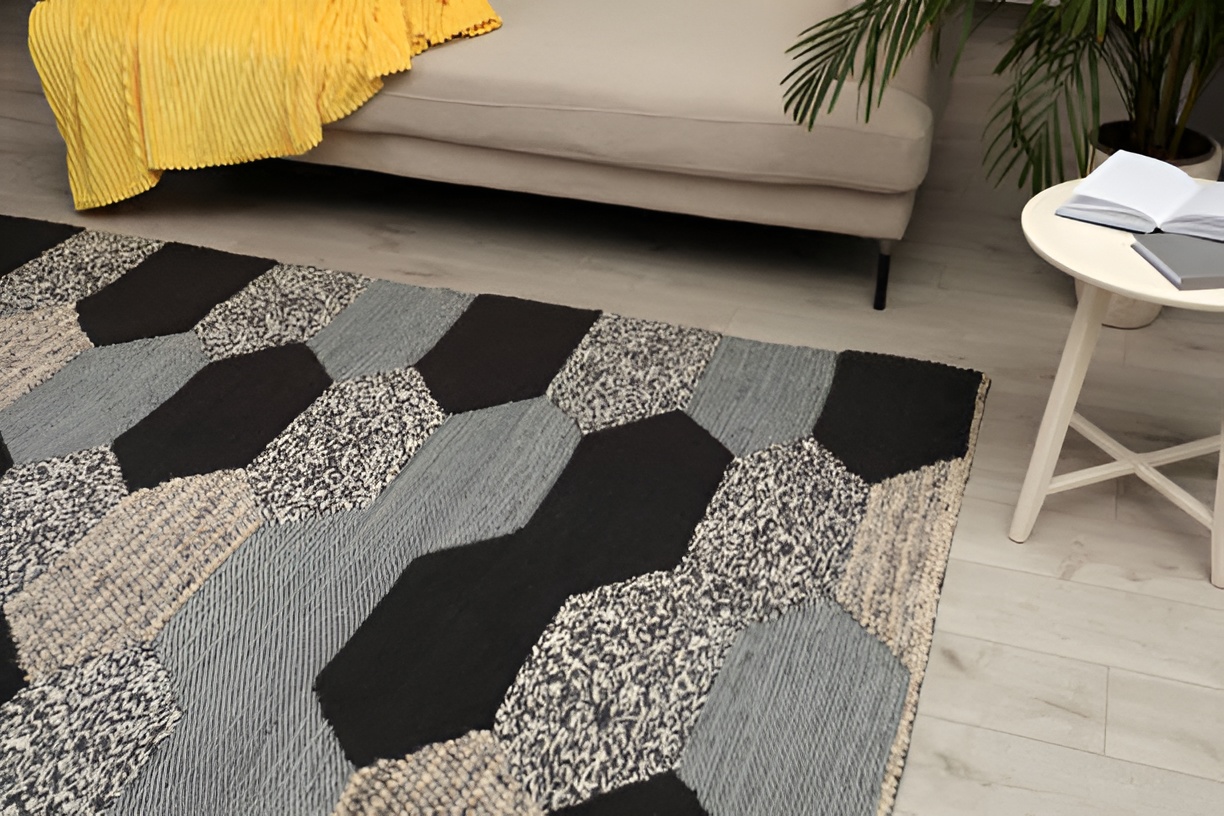
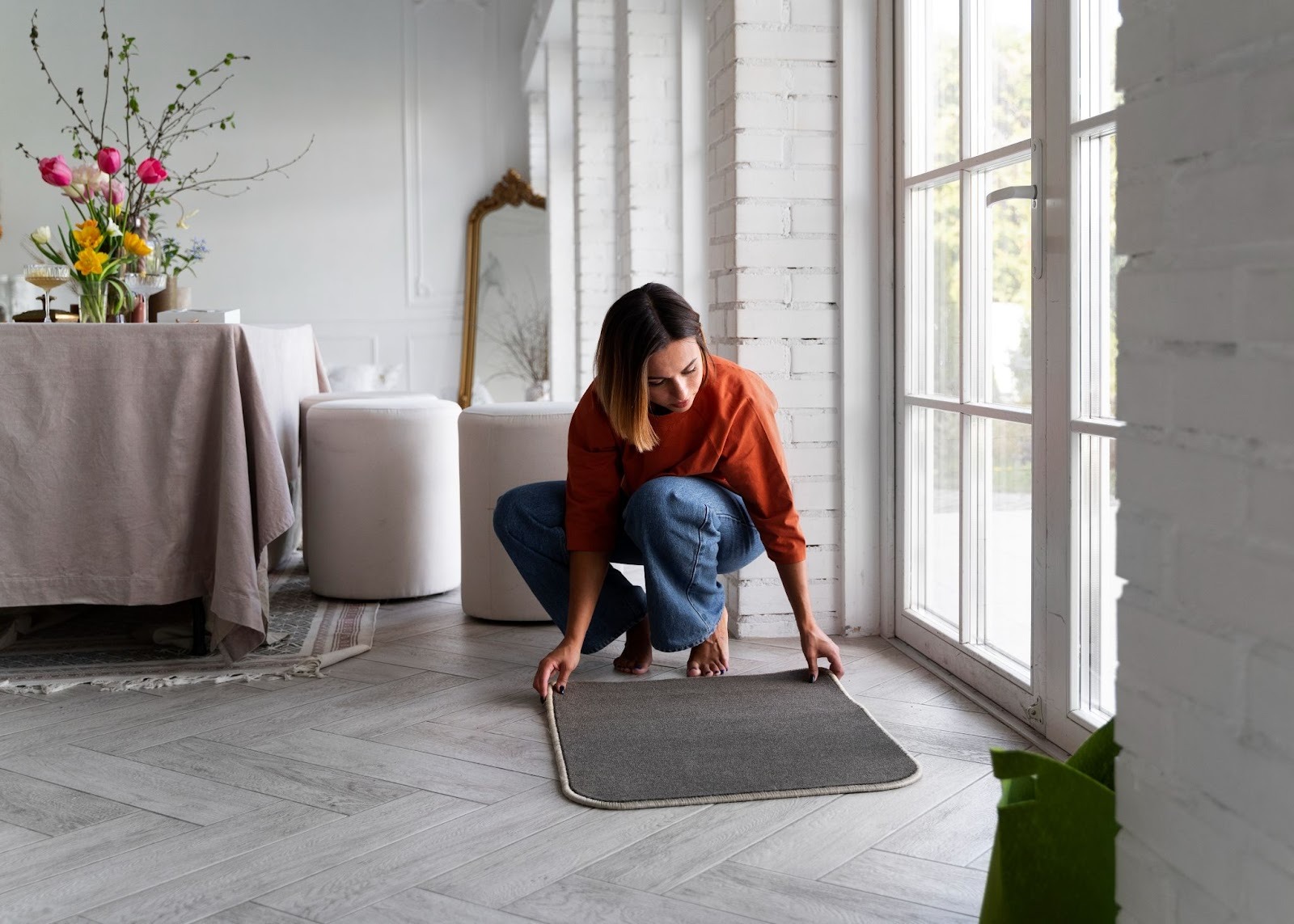
Although carpet is often seen as an insulating material, it can still work with underfloor heating if chosen carefully. The key to making carpet work with underfloor heating is selecting a thin carpet pile and using an appropriate underlay that allows heat to pass through efficiently.
Carpets offer warmth, softness, and comfort underfoot, especially in bedrooms and living areas. However, you must ensure the carpet is designed specifically for use with UFH, as thicker carpets and dense underlays can impede heat flow, reducing the efficiency of your heating system.
Advantages:
- Soft, warm, and comfortable underfoot
- Good for bedrooms and living rooms
- Helps with insulation, making spaces feel cozy
Disadvantages:
- Can impede heat flow if too thick
- May require regular maintenance and cleaning
6. Cork Flooring
Cork is an eco-friendly and sustainable flooring material that works well with underfloor heating systems. Cork has natural insulating properties, which means it can help retain heat and maintain a comfortable temperature within a room. It is soft underfoot, providing comfort for areas where you might stand for long periods, such as kitchens or workspaces.
Cork also has soundproofing qualities, which make it ideal for creating quiet spaces. However, cork flooring may not be as durable as other flooring options, and it can be prone to scratches and dents over time.
Advantages:
- Sustainable, eco-friendly material
- Soft and comfortable underfoot
- Good heat retention and soundproofing qualities
Disadvantages:
- Less durable than tiles or stone
- Can be damaged by heavy foot traffic or moisture
Conclusion
When choosing a floor covering for underfloor heating, it’s essential to select a material that facilitates efficient heat transfer and retention. Materials like ceramic and porcelain tiles, natural stone, engineered wood, and luxury vinyl are all excellent choices for optimizing the performance of your underfloor heating system. Each type of flooring offers its own unique set of benefits, whether it’s heat conductivity, comfort underfoot, or aesthetic appeal. By choosing the right floor covering for your space, you can enjoy both the comfort of underfloor heating and the beauty of your home.