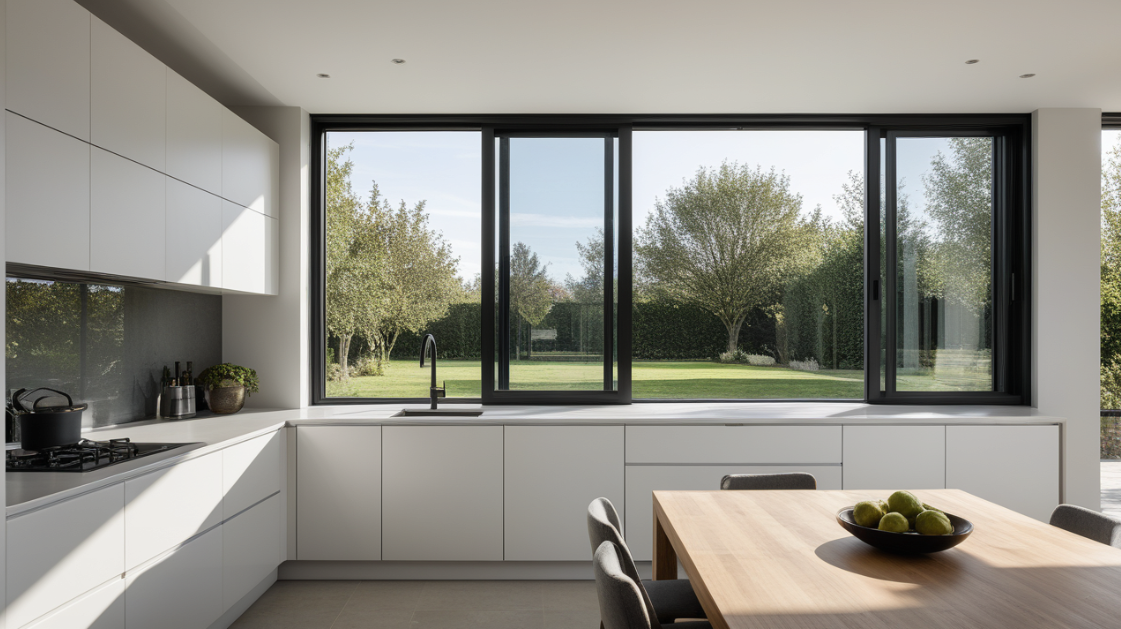

Renovating your home can be both exciting and daunting. Whether you’re looking to update your living space or increase your property value, a full home renovation requires careful planning and execution. In this guide, we’ll take you through the step-by-step process of renovating your home from start to finish.
Step 1: Define Your Goals
Before diving into a renovation project, it’s essential to define your goals. Are you looking to modernize your home, increase its energy efficiency, or simply improve its functionality? Clearly outlining your objectives will guide the entire renovation process.
Step 2: Set Your Budget
Once you’ve established your goals, the next step is to set a realistic budget. Consider all potential costs, including materials, labor, permits, and unforeseen expenses. Having a clear budget will help you make informed decisions throughout the renovation.
Step 3: Create a Renovation Plan
With your goals and budget in mind, create a detailed renovation plan. This plan should outline the scope of work, timelines, and specific tasks to be completed. Having a comprehensive plan will keep the renovation on track and ensure a successful outcome.
Step 4: Hire Professionals

Unless you’re a seasoned DIY enthusiast, hiring professionals for your home renovation is crucial. From architects and designers to contractors and tradespeople, assembling a skilled team will ensure high-quality workmanship and timely completion of the project.
Step 5: Demolition and Preparation
Once you have your team in place, the next step is to start the renovation process. This typically begins with demolition and preparation work. Clearing out old fixtures, removing walls, and preparing the space for new installations are essential tasks in this phase.
Step 6: Structural Work
Depending on the scope of your renovation, structural work may be required. This could involve reinforcing walls, replacing beams, or rearranging the layout of your home. Structural changes are critical for the integrity and safety of your property.
Step 7: Plumbing and Electrical
Upgrading plumbing and electrical systems is another vital step in a home renovation. Ensuring that these systems are up to code and functioning properly is essential for the comfort and safety of your household.
Step 8: Insulation and Drywall
Once the structural and mechanical aspects are in place, it’s time to focus on insulation and drywall. Proper insulation will improve energy efficiency, while new drywall will provide a fresh canvas for your interior finishes.
Step 9: Flooring and Fixtures
Installing new flooring and fixtures can transform the look and feel of your home. Whether you opt for hardwood floors, tiles, or carpeting, choosing the right materials will enhance the overall aesthetic of your space.
Step 10: Finishing Touches
The final step in a home renovation is adding the finishing touches. This includes painting walls, installing trim, and selecting furniture and decor. Paying attention to detail in this phase will bring your vision to life and create a space that reflects your style.
Conclusion
Renovating your home is a rewarding endeavor that can significantly improve your living environment. By following these step-by-step guidelines and working with a team of professionals, you can achieve the home of your dreams. Remember to stay organized, communicate effectively with your team, and enjoy the process of transforming your space.